

McDonald's Corp, often simply called McDonald's, is an American fast-food company that is considered one of the largest restaurant chains in the world, both in terms of revenue and number of outlets. Founded by Richard and Maurice McDonald in 1940 in San Bernardino, California, the company operates and franchises more than 38,695 restaurants in over 119 countries as of 2021, serving millions of customers daily.
The company is publicly traded on the New York Stock Exchange under the ticker symbol 'MCD'. Known for its high dividends and stable earnings, McDonald's has remained a popular choice among investors.
McDonald's brought the concept of fast service with a limited menu to the forefront. Its flagship product, the 'Big Mac,' has become a famous symbol of American culture worldwide. Besides hamburgers, McDonald's also sells cheeseburgers, chicken products, French fries, breakfast items, soft drinks, milkshakes, and desserts. In recent years, it has started to incorporate salads, fish, smoothies, and fruit to expand its menu and cater to a variety of customer preferences.
McDonald's business model is primarily focused on franchising, which accounts for about 80% of its restaurants globally. This model grants the company a steady and predictable stream of revenue while limiting its capital expenditure, as franchisees bear much of the cost and risk of running restaurants.
Despite facing criticisms ranging from unhealthy food to exploitation of workers, the company has managed to steadily grow its operations year after year. Recently, the fast-food giant has taken steps to address some of these criticisms by implementing animal welfare standards, aiming for a more sustainable supply chain and investing in worker training programs.
Over the years, McDonald's has also adapted to emerging trends and technology. It has made strides in digital innovation by introducing self-order kiosks, mobile order & pay, and digital menu boards. The company has also leveraged data analytics to drive sales by identifying customer preferences and trends.
In conclusion, McDonald's continues to be a global symbol of fast food, successful branding, and adaptation. Its ability to innovate and evolve while staying true to its core has kept it at the top of the fast-food industry.
Income statement
Balance sheet statement
Cash flow statement
Current assets / Current liabilities
Equity / Debt / Cash
Dividends
Texas Instruments (TXN) has announced a 7% increase in its quarterly dividend, raising it to $1.52 per share and extending its dividend growth streak to 23 consecutive years. This increase, which brings the annualized payout to $6.08, is supported by significantly improved operating and free cash flow. While the dividend currently consumes a large portion of free cash flow, the company's capital spending is decreasing, making the payout more sustainable for income investors.
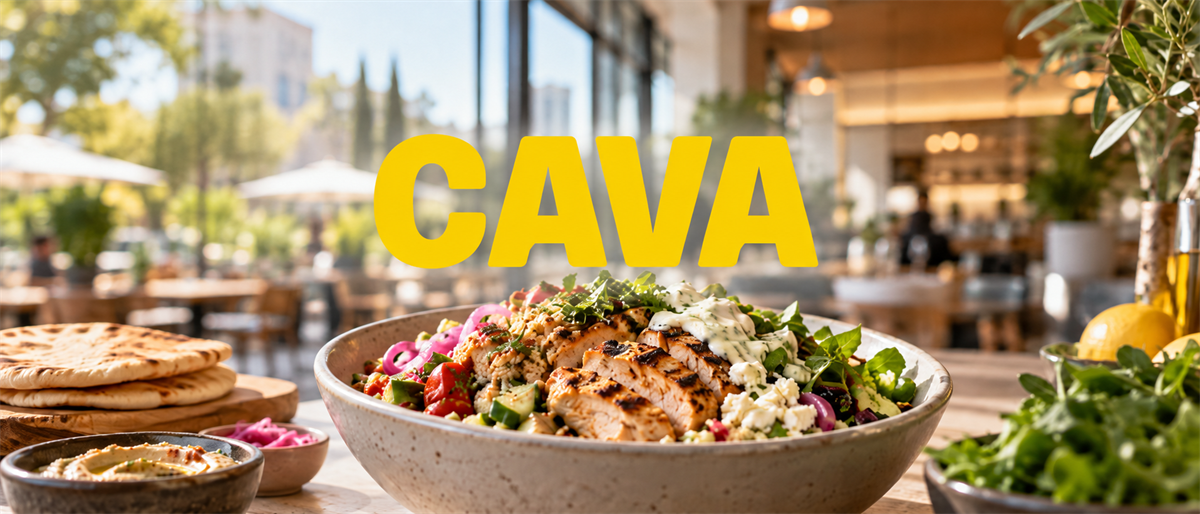
CAVA Group (NYSE: CAVA) stock recently fell 8.9% due to a sector-wide sell-off driven by weak August restaurant traffic data and concerns over its rich valuation. While second-quarter results showed strong fundamentals with 31.3% revenue growth and 9% same-store sales growth, restaurant-level margins slipped, and guidance was maintained rather than raised. The upcoming November earnings report will be crucial in determining if the stock's decline is a valuation correction or if underlying fundamentals are weakening.

McDonald's has launched a redesigned tiered loyalty program aimed at re-engaging 150 million infrequent customers. The program includes partnerships with Uber and Disney+ for ride credits and subscription benefits, leveraging its global digital and loyalty platform. This initiative seeks to increase order frequency and provide richer customer data to franchisees, though its impact on the value-menu strategy remains a key factor for investors to consider.

McDonald's stock has fallen nearly 31% from its February high, heading for its worst annual return since 2002, as customers push back against rising menu prices and a perceived decline in value. The company's recent investor day indicated "slightly negative" US sales for the current quarter, prompting concerns about its strategy to reinvigorate sales through technology investments, restaurant upgrades, and market share gains in chicken and beverages. Despite these challenges, Wall Street analysts largely maintain positive ratings, with an average price target suggesting a 28% return.

This Benzinga report summarizes the past week's stock performance, highlighting the influence of AI enthusiasm and rising oil prices. It details bullish cases for Costco, Greenland-linked stocks, and KB Home, which all beat analyst expectations. Conversely, bearish takes are presented for McDonald's due to investment concerns, AppLovin Corp. as one of the S&P 500's worst performers, and Viking Therapeutics following plans for public offerings.

Starbucks plans to close 250 North American stores this week, marking the second major round of closures under CEO Brian Niccol. These closures target underperforming locations that don't meet financial expectations or provide the desired customer experience. The company will incur $300 million in restructuring charges and plans to transfer employees where possible or offer severance.

McDonald's (MCD) is identified as the world's largest restaurant brand, with a global presence and substantial systemwide sales. Despite long-term strategic benefits, the company faces near-term challenges. Morningstar assesses McDonald's shares as attractive, highlighting its economic moat and stewardship.

McDonald's aims to increase its global franchise mix to 98% by 2028 and targets higher operating margins and free cash flow conversion by 2030. The company outlined its "NEXT" strategy, focusing on restaurant efficiency, menu innovation, consumer personalization, and people development. McDonald's also plans significant expansion in its chicken and beverage categories and broader deployment of its ArchIQ AI technology across its restaurants.