

Visa Inc., often known as just Visa, is a multinational financial services corporation headquartered in Foster City, California, USA. Established in 1958, Visa stands today as one of the most prominent brands in the financial industry. Its primary business involves facilitating electronic funds transfers across the globe, predominantly through Visa-branded credit cards, debit cards, and prepaid cards.
Originally a part of Bank of America, Visa began as a pilot project designed to provide middle-class consumers and small-to-medium-sized businesses with automated payment solutions. It was only in 1976 that “Visa” was officially introduced as a unified global brand.
Today, Visa operates one of the world's largest retail electronic payments networks, allowing money to move securely and conveniently between users, financial institutions, businesses, governments, and other entities across more than 200 countries and territories. Visa's significant contributions to the advancement of digital payments have underpinned its leadership in the global financial ecosystem. The company does not issue cards, extend credit, or set fees and rates for consumers – it helps banks and other financial institutions implement these services.
Visa has invested heavily in technology and innovation to secure transactions and maintain consumer trust. Its advanced fraud prevention methods, for example, use predictive analytics to deliver real-time transaction insights and uphold its commitment to security.
Visa's core business remains its payment processing network, which has earned it the status of a "middleman" in electronic payments. Its vast infrastructure enables it to process more than 65,000 transaction messages every second.
Additionally, with the world's transition towards cashless transactions and digital currency, Visa has adopted a forward-looking vision and is actively investing in technologies like blockchain. The company is focused on improving current transaction systems, exploring new channels of digital payment, and ensuring seamless payment experiences for users worldwide, which, in turn, should also help sustain its growth in the future.
Visa Inc. has been publicly traded under the ticker “V” on the New York Stock Exchange since March 2008. Its IPO remains one of the largest in U.S. history, raising nearly $18 billion.
It's clear that Visa is a formidable force in the financial industry, demonstrating impressive adaptability, technological advancement, and commitment to delivering safe, efficient, and inclusive digital payment solutions worldwide. The living embodiment of its ongoing mission: "To connect the world through the most innovative, reliable and secure payment network - enabling individuals, businesses and economies to thrive.”
Income statement
Balance sheet statement
Cash flow statement
Current assets / Current liabilities
Equity / Debt / Cash
Dividends
Charles Schwab's economic moat, primarily driven by its vast scale and client assets reaching $13.41 trillion, is narrowing despite continuous client growth. While its custody and execution business remains strong due to high switching costs, the profitability per client is eroding. This erosion is attributed to higher yields pulling cash out of sweep accounts and AI making the advice layer cheaper to replicate, ultimately impacting net interest revenue.

Salesforce (CRM) possesses a strong economic moat primarily due to high switching costs, as customers integrate years of data and custom workflows into its ecosystem, making replacement difficult. While AI agents are deepening this moat by making existing data more valuable, the company's seat-based pricing model is threatened by AI's potential to reduce the number of human users required. Salesforce is transitioning to a work-performed pricing model, but its success will dictate whether its revenue growth can meet future targets and if its moat continues to widen.

Bank of America and JPMorgan Chase have issued warnings about an impending market pullback, urging investors to focus on resilient companies. The article suggests two financial stocks, Realty Income and Visa, as suitable investments for such an environment. Realty Income offers a high-yield, stable income stream through its diversified net lease REIT model, while Visa provides growth potential through its fee-driven payment processing business, which is less susceptible to economic downturns.
Qualcomm has renewed its global patent license agreement with Apple, effective April 1, 2027. While this secures a crucial and profitable licensing relationship for Qualcomm, the financial terms and duration of the new agreement were not disclosed. The lack of transparency leaves investors uncertain about the exact value and implications of the deal, especially as Apple continues to develop its own modems.
Apple is preparing to launch Apple Pay in India next month, starting with Axis Bank credit cards, after the Reserve Bank of India changed regulations to allow biometric authentication for card payments. While this removes a significant obstacle, Apple Pay will initially only support Visa and Mastercard credit cards and not India's dominant Unified Payments Interface (UPI) system, which accounts for 84% of digital payments. This strategy allows Apple to enter the market gradually, but its growth potential without UPI integration and broader bank partnerships may be limited, making it primarily an ecosystem-retention initiative rather than a major near-term revenue catalyst.
Equifax (EFX) has fallen to a 52-week low, down 42% from its previous high, primarily due to a stalled mortgage market despite growing revenue and a recent regulatory decision that benefited the company. The market is currently discounting the mortgage cycle's impact on Equifax's fee-based revenue, which is affected by high long-term borrowing costs. Analysts remain optimistic with an average target price above the current stock level, and hedge fund ownership has increased, suggesting underlying value in its irreplaceable data and Workforce Solutions arm.
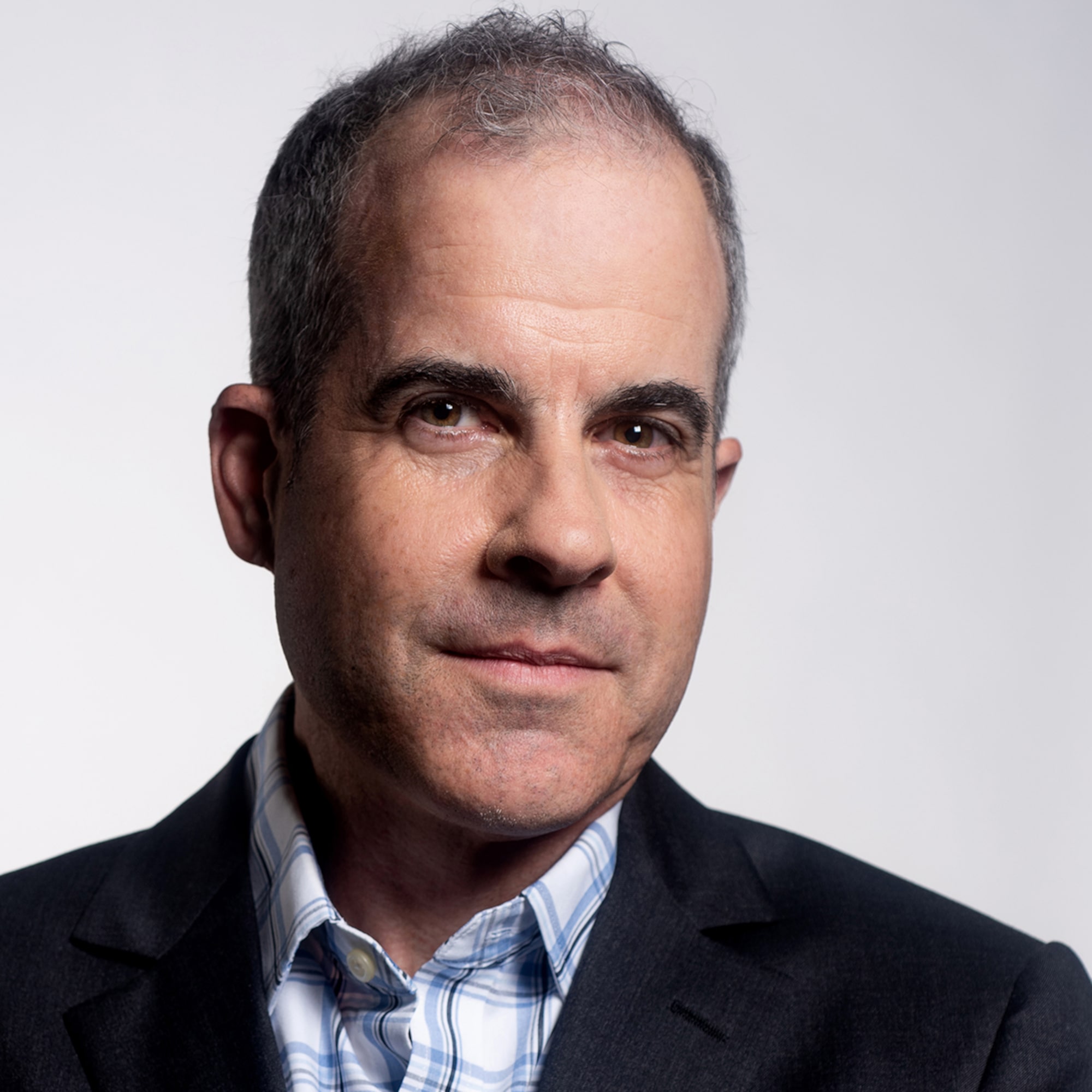
This article discusses why wide-moat stocks, typically seen as high-quality investments, have struggled in the current market, particularly in Q1 2026. Morningstar's Jerry Kerns explains the concept of economic moats and their five sources, noting that while these stocks generally outperform in the long term, recent market conditions have challenged their short-term performance. The article also highlights insights from Morningstar magazine, including an interview with legendary investor David Booth, emphasizing long-term investing.

Squarepoint Ops LLC significantly reduced its stake in Perrigo Company plc (NYSE:PRGO) by 95.5% in the second quarter, selling 443,842 shares and retaining only 20,900 shares. Despite this, institutional investors collectively own 95.91% of PRGO. Perrigo reported strong quarterly earnings, beating consensus estimates with an EPS of $0.50 and revenue of $1.02 billion, and maintains a quarterly dividend of $0.29.