

Alibaba Group Holding Ltd, also known by its NYSE ticker symbol, BABA, is a pioneering behemoth in the world of e-commerce, Internet services, and technology. Established in 1999 by a group of 18 people led by Jack Ma, its headquarters is in Hangzhou, China. Alibaba has grown into a global leader, reinventing and shaping how business and trade happens in the digital era.
The company operates in numerous sectors through a diverse range of subsidiaries. Some of its key businesses include its flagship service, Alibaba.com, a trading platform for both B2B and B2C operations; Taobao, China's largest online shopping website; and Tmall, a platform for brands and retailers. Furthermore, it owns and operates the global digital payment service Alipay, and cloud computing platform Alibaba Cloud, which is China's largest.
Alibaba has also found success in areas such as digital media and entertainment, with entities like Youku (an internet television platform) and Alibaba Pictures. The company also holds a significant stake in Cainiao Smart Logistics Network Ltd., which provides a logistic service platform connecting various deliverers in China.
A key component of Alibaba's corporate philosophy is creating a conducive environment for entrepreneurship and small businesses. The company's vision is to build the infrastructure of commerce for the future, aiming to serve two billion customers around the world and create 100 million jobs by the end of 2036.
Also notable in Alibaba's trajectory and impact is its IPO on the New York Stock Exchange in September 2014, which raised $25 billion and was, at the time, the world's largest-ever initial public offering.
However, the company has faced several challenges, including scrutiny and regulatory pressure from Chinese and international authorities, assuaging concerns about counterfeit goods on its platforms, and managing transitions in its senior leadership – like the much-discussed departure of founder Jack Ma from his executive role in 2019.
Nevertheless, Alibaba Group Holding Ltd has maintained its position as a significant global player in e-commerce and technology. Over two decades since its inception, the company is a reminder of the transformative power of digital innovation and commerce. It continues to evolve, seeking out areas of potential growth from AI and big data to new retail models, ensuring it remains at the forefront of these rapidly developing sectors.
Income statement
Balance sheet statement
Cash flow statement
Current assets / Current liabilities
Equity / Debt / Cash
Dividends

Alibaba Group Holding Ltd. ADR (BABA) fell 1.17% to $101.52 on Wednesday, underperforming the broader market which saw the NASDAQ Composite Index and Dow Jones Industrial Average rise. This marked the ADR's third consecutive day of losses.

Alibaba is planning to spin off its semiconductor unit, T-Head, through an initial public offering in Hong Kong, with the Hong Kong Stock Exchange already approving the pursuit. This move coincides with Alibaba's increased focus on developing its own AI hardware, including the recently introduced Zhenwu V900 AI chip. The broader context for this IPO is China's growing ambition in the AI chip sector, aiming to compete with leading companies like Nvidia, despite major Chinese tech firms still heavily relying on Nvidia's products.
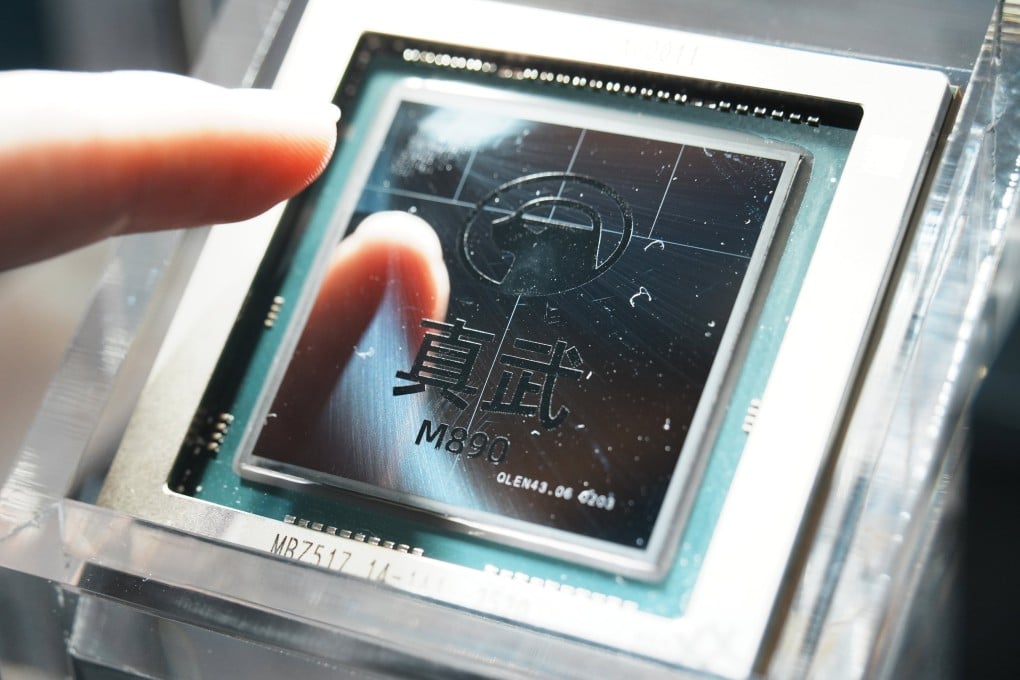
Alibaba Group Holding's chip design unit, T-Head, has confidentially filed for an initial public offering in Hong Kong. This move positions the unit for a high-profile listing amidst intensifying US-China competition and China's drive for technological self-sufficiency in AI. The spin-off is intended to allow for a more efficient deployment of Alibaba's financial resources, though T-Head is expected to remain a subsidiary.
Alibaba Group Holding Ltd. ADR (BABA) fell 2.52% to $102.72 on Tuesday, underperforming the broader market as the NASDAQ Composite Index and Dow Jones Industrial Average also experienced declines. This marks the second consecutive day of losses for the ADR.

Alibaba Group Holding's stock (BABA) is currently trading at US$105.38, with a P/E ratio of 23.8x, slightly above its direct peer average. Despite recent concerns about AI chip supply and cloud spending, analysts believe the stock may still be undervalued when considering its growth profile and earnings power, with some community investors suggesting it could be 56% undervalued due to overlooked aspects of its ecosystem. The article highlights that the Fair Ratio benchmark, which accounts for growth, margins, scale, and risk, implies a higher multiple for Alibaba's earnings stream.
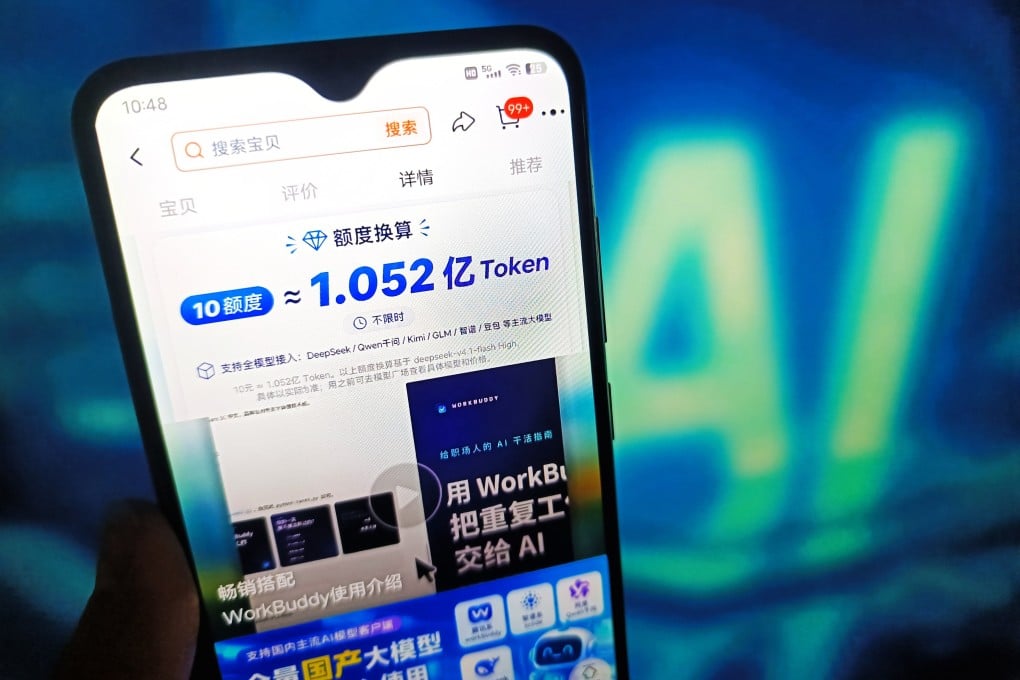
This year's Singles' Day, China's largest online retail event, saw a shift from complex coupon calculations to simpler pricing and a growing interest in AI token subscription products. Consumers like Sunny He are becoming more selective, focusing on high-value purchases due to a sluggish economy and less disposable income. Analysts note that the move towards straightforward pricing aims to retain shoppers in an increasingly saturated domestic market.

Alibaba's chip design unit, T-Head, is reportedly planning a Hong Kong IPO in 2027 to raise between $2 billion and $3 billion, according to IFR. The unit designs the Zhenwu line of AI accelerators, including the recently unveiled Zhenwu V900, which Alibaba claims is China's most powerful AI chip and will enter mass production in Q1 2027. This potential IPO follows earlier reports of Alibaba restructuring T-Head for a public offering.
OPTIMAS CAPITAL Ltd acquired 80,210 shares of Alibaba Group Holding Limited (NYSE:BABA) in the third quarter, making it their second-largest position and 11.5% of their investment portfolio. Despite significant insider selling, Alibaba's CEO bought shares, and analysts maintain a "Moderate Buy" rating with an average price target of $182.89. The company's latest quarterly revenue rose 8.6% year-over-year, though earnings per share missed estimates.