

BlackRock Inc. (BLK), founded in 1988, is an American multinational investment management corporation and is considered one of the world’s largest asset managers. Based in New York City, BlackRock operates in more than 30 countries, providing a broad range of services to individual and institutional investors around the world.
The inception of BlackRock was as a single office in New York with only eight professionals. Today, it manages around $8.68 trillion in assets (as of December 2020), offering an extensive line-up of products in both active and passive investment strategies, including equities, fixed income, real estate, including private equity. It is known for its strong risk management culture, developed in response to the financial crisis of 2008.
BlackRock is largely credited with popularizing ETFs (Exchange-Traded Funds), which are investment funds traded on stock exchanges, similar to individual stocks. BlackRock's iShares division is the largest provider of ETFs worldwide. However, the company made its major breakthrough with the development of Aladdin, a risk management system that it uses internally and rents to other financial institutions. Aladdin’s ability to bring together portfolio management, risk analysis and trading is said to be unequaled.
BlackRock has been recognized for its contributions to finance and investment, underscored by consistent awards and recognition from leading financial publications and industry organizations. The company prides itself on responsible investment, committing to innovative solutions to address social and environmental challenges.
The corporation is under the capable leadership of co-founder, Laurence D. Fink, who has been serving as the Chief Executive Officer since its inception. His vision for the enterprise is aimed at creating better financial futures for their clients through a commitment to transparency, technology, and sustainable investment.
Nevertheless, BlackRock has not been without criticism. It has faced scrutiny for its influence over the global financial system, given its size and reach. Moreover, its role in fossil fuel industries has also raised concerns of potential conflicts with its stated commitment to sustainability.
In conclusion, BlackRock is a titan in the world of asset management, distinguished by its progressive technology, focus on risk management and commitment to sustainability. Despite criticisms, its significant contributions to the global investment landscape cannot be disputed. As the firm moves forward, the effectiveness with which it navigates these challenges will be critical to the company’s ongoing success.
Income statement
Balance sheet statement
Cash flow statement
Current assets / Current liabilities
Equity / Debt / Cash
Dividends
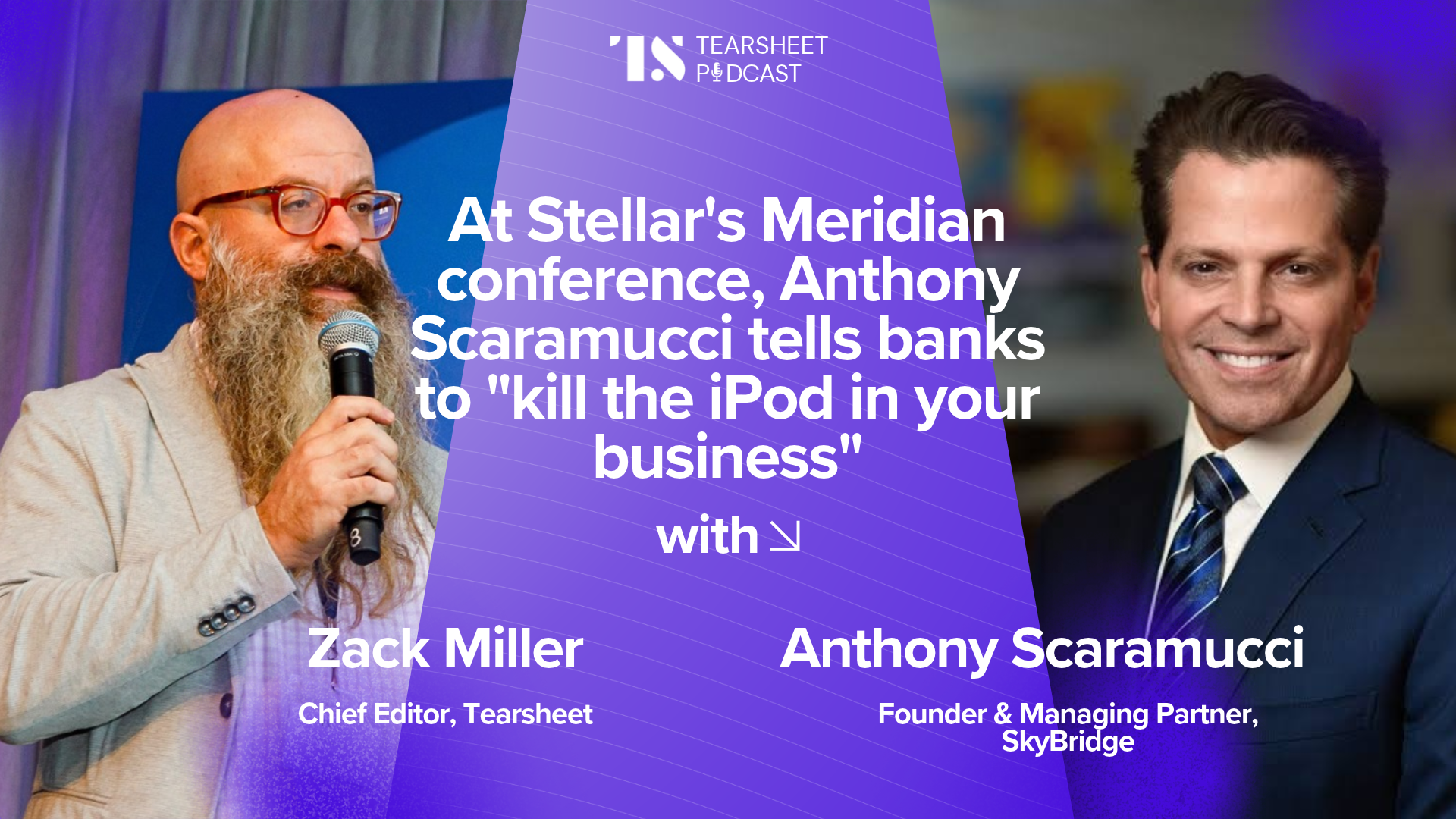
Anthony Scaramucci, founder of SkyBridge Capital, is advocating for the tokenization of assets, starting with the 10 largest U.S. stocks, to drive broader market adoption. He believes SEC guidance will be more influential than legislation and urges bank product leaders to disrupt their own successful products before competitors do. Scaramucci also discussed his journey into crypto, the hurdles of U.S. regulation, the benefits of faster and cheaper settlement through tokenization, and SkyBridge's strategy of running tokenized and traditional funds simultaneously.

Private Management Group Inc. increased its stake in Advance Auto Parts (NYSE:AAP) by 25.1% in the third quarter, acquiring an additional 116,523 shares and bringing its total holdings to 581,659 shares valued at $22.63 million. Other institutional investors also made significant changes to their AAP positions. Analysts currently have a "Hold" rating on the stock with a consensus target price of $47.50, following its recent earnings report where it beat EPS estimates but saw a slight revenue decline.
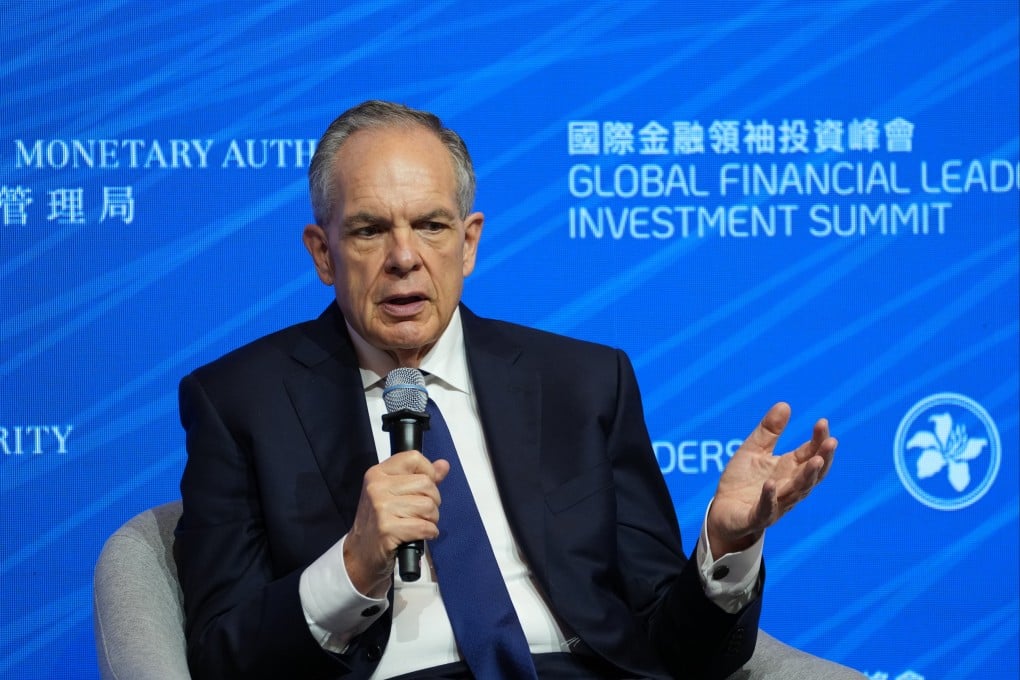
US bank State Street is emphasizing the importance of "responsible deployment" of artificial intelligence as the finance industry rapidly adopts AI agents. With over 350 AI use cases, State Street's chief data and AI officer Manoj Bohra highlighted the need for a governed ecosystem to manage potential security risks. This discussion took place at the Global Financial Leaders’ Investment Summit in Hong Kong, where top financial executives converged to discuss the future of AI in finance.

Berkshire Hathaway is set to release its third-quarter 2026 earnings report on November 7. Morningstar analysts expect mid-to-high single-digit operating earnings growth year-over-year, despite some weakness in insurance, with non-insurance businesses compensating. The stock is currently rated as moderately overvalued by Morningstar, trading at a premium to its fair value estimate.

The Investment Committee has identified its top stock picks for the second half of the year, focusing on Amazon (AMZN), BlackRock Inc. (BLK), Eaton Corp. (ETN), and Pfizer (PFE). This report provides a quick overview of these selected companies.

U.S.-listed spot Bitcoin ETFs have experienced over $1 billion in net outflows across two trading sessions, driven by uncertainty around the U.S. midterm elections and a significant crypto security breach. BlackRock's iShares Bitcoin Trust (IBIT) led these withdrawals, though some funds like Fidelity's FBTC saw inflows, indicating a nuanced investor approach. The outflows and regulatory concerns come as President Trump's crypto-friendly agenda faces potential challenges depending on the midterm election results.

CINCINNATI FINANCIAL CORP has opened a new $1.5M position in Meta Platforms (META) stock, as revealed in a recent SEC 13F filing for the 09-30-2026 report period. The article also details significant institutional investor activity in META, with 2,603 institutions adding shares and 2,227 decreasing positions, alongside insider trading and Congressional stock trading data. Wall Street analysts currently favor a "Buy" rating for META, with a median price target of $810.0 from recent reports.

Given high Treasury yields and inflation concerns, some experts suggest ultra-short bonds and ETFs like the American Century Ultrashort Income ETF (FUSI) could be superior to cash instruments. While cash is impacted by taxes and inflation, ultra-short bonds may offer higher income potential with less interest rate sensitivity due to their short duration. This strategy is particularly relevant as cash yields tend to fall when the Federal Reserve pauses tightening cycles, which is anticipated after potentially one more rate hike.

A new report from Spain's Santander warns that the world faces a financing gap of approximately €30 trillion ($33.6 trillion) over the next five years, primarily driven by investment needs for the energy transition, AI, and defense. The report estimates total investment needs between 2026 and 2030 at around €50 trillion. Santander's executive chair, Ana Botin, emphasized the need for public-private collaboration and urged Europe to create conditions for banks to finance investments and channel its significant savings pool into the local economy.

In October, despite Treasury yields reaching multiyear highs, U.S. fixed-income ETFs attracted $60 billion in inflows, indicating strong investor demand for bonds. This inflow occurred alongside $79 billion into U.S. equity ETFs, suggesting a strategy of portfolio diversification rather than a complete shift away from risk assets. The iShares National Muni Bond ETF (MUB) and iShares 0-3 Month Treasury Bond ETF (SGOV) were major beneficiaries, highlighting the appeal of income-generating assets and liquidity amid market uncertainty.