

Blink Charging Co. (BLNK) is a renowned electric vehicle (EV) infrastructure company engaged in providing EV charging equipment and networked EV charging services. Founded in 2009, the company is headquartered in Miami Beach, Florida, USA. BLNK, with its competitive strategies and innovativeness, has positioned itself as a leading player in the rapidly growing global EV market. The company's mission is to lessen greenhouse gas emissions by encouraging the increased adoption of electric transportation solutions.
Blink Charging operates around 23,000 charging stations across the United States, many of which are located in high-demand venues such as airports, hospitals, hotels, residential buildings, workplaces, and parking lots. The company’s principal line of products and services include the Blink EV charging network, EV charging equipment, EV related services, and a comprehensive and open Blink Network that operates, maintains, and tracks all the EV charging stations connected to it.
Blink Charging provides both Level 2 AC charging equipment, which is typically used for longer-term parking (such as at shopping centers, hotels, or airports), and DC fast chargers, which can recharge a vehicle in less than an hour and are commonly used along highways or in commercial settings. Also, the company offers a residential EV charging solution called Blink IQ 200, aimed at multi-unit dwellings, workplaces, and individual homes.
This publicly traded company is listed on the NASDAQ under the ticker symbol "BLNK." Blink Charging operates with a business model that generates multiple streams of revenue. For example, revenues are generated by the sale of EV charging stations, through a share of the transaction fees from public charging sessions, network connectivity fees, and from advertising revenue through digital screens placed on their charging stations.
As global momentum shifts towards clean energy and renewable resources, Blink Charging is strategically positioned to greatly benefit from these transformations. With governments worldwide offering incentives for EV ownership and setting ambitious targets to reduce carbon emissions, the demand for efficient, widely accessible EV charging solutions is expected to grow exponentially. Blink Charging is uniquely poised to address these industry trends and stands ready to expand its network in both the U.S. and other international markets.
In essence, Blink Charging Co. is a modern energy firm, fostering the global paradigm shift towards an infrastructure fostering cleaner, greener transportation solutions. By providing highly efficient, affordable, and accessible charging infrastructure for electric vehicles, the company fuels the transition towards a more sustainable future.
Income statement
Balance sheet statement
Cash flow statement
Current assets / Current liabilities
Equity / Debt / Cash
Dividends

Three small-cap EV charging stocks—Blink Charging, ChargePoint, and EVgo—experienced significant climbs on Wednesday without any specific news or analyst actions. This synchronized movement, occurring while broader mobility and market ETFs saw minimal gains, suggests speculative investor flow into these beaten-down shares rather than a fundamental re-rating. Despite past monthly performance varying significantly among the three, their simultaneous rise highlights a speculative appetite for risk in the EV charging sector.
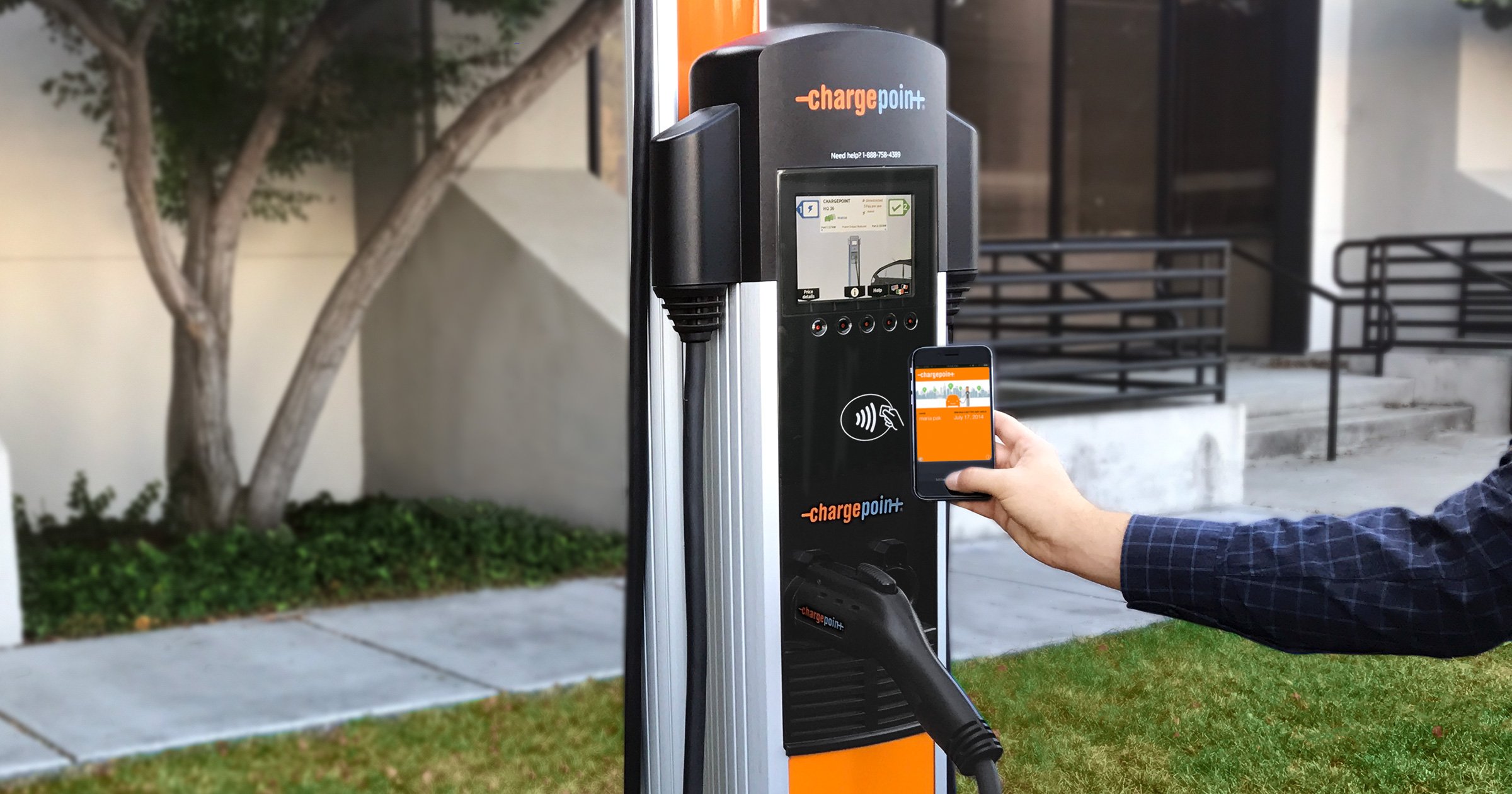
ChargePoint's stock surged 7% after its CEO, Rick Wilmer, described the two-day rally as "the beginning of the momentum" for the company. This comes after ChargePoint reported strong Q2 FY2027 earnings, exceeding revenue guidance and achieving a record 38% gross margin (including a one-time tariff refund). While ChargePoint's shares showed significant gains, competing EV charging companies like EVgo saw only a modest increase and Blink Charging remained flat, indicating a company-specific reappraisal rather than a broader sector rotation.
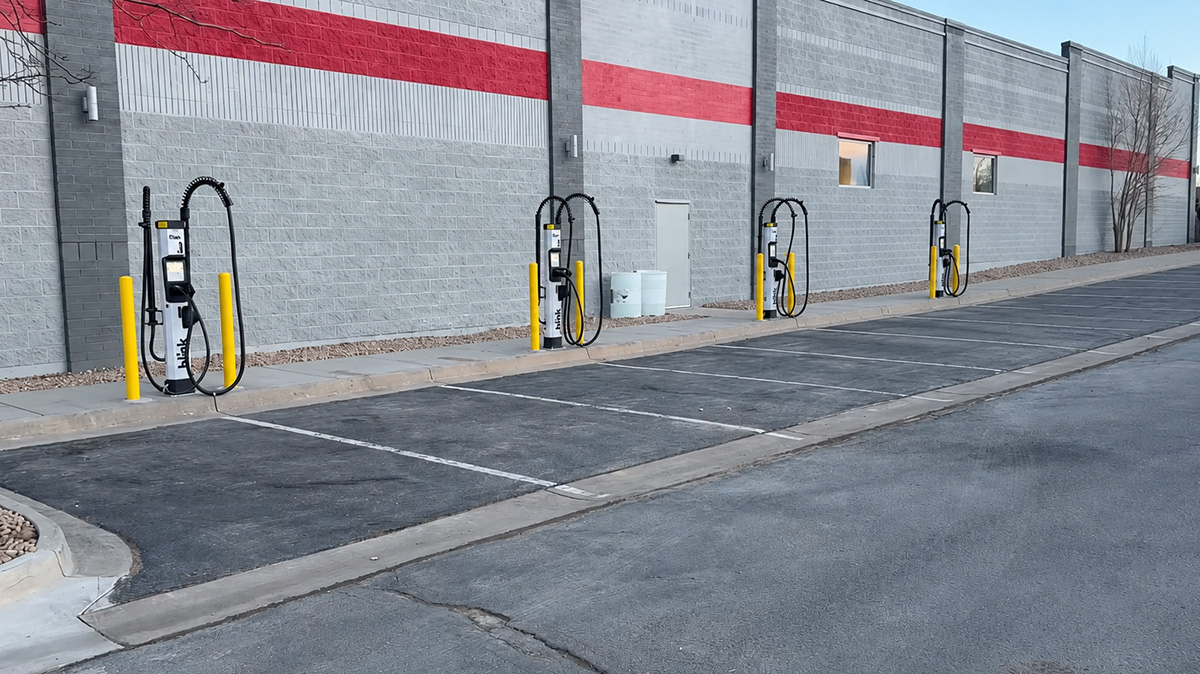
Blink Charging has introduced a new energy management system called EnergyConnect to optimize EV charging capacity using existing electrical infrastructure. This platform allows operators to monitor energy usage, automate load management, and control charger groups from a centralized dashboard. Blink plans to deploy EnergyConnect at 13 DC fast charging sites in Florida initially, with future expansion across the US, UK, and Belgium, and aims to add features like utility integration and support for battery storage and solar panels.

Blink Charging has launched EnergyConnect, an AI-driven energy management system, at 13 DC fast-charging sites in Florida, with a phased rollout planned for the U.S., U.K., and Belgium. This platform aims to optimize power allocation within existing electrical infrastructure, potentially saving costs by avoiding capacity upgrades. The system allows site hosts to monitor energy usage, automate load management, and set limits, with future plans to integrate utility connections, demand response, battery storage, and solar energy.

Blink Charging Co. has launched EnergyConnect, an AI-driven energy management system aimed at optimizing EV charging site operations. This platform allows site operators to maximize existing power capacity, reduce operating costs, and gain real-time visibility and control over energy usage. EnergyConnect is initially being deployed across Blink-owned DC fast-charging sites in Florida, with plans for broader expansion across the U.S., U.K., and Belgium.

Blink Charging (BLNK) reported a strategic shift in Q2 2026, prioritizing revenue quality over volume, which led to a 72% improvement in adjusted EBITDA loss and a significant increase in GAAP gross margins. The company divested Envoy Technologies and launched EnergyConnect, an AI-driven energy management platform, aiming to transform from a hardware provider to a broader energy services entity. Blink expects to achieve adjusted EBITDA breakeven by the end of 2026, driven by repeatable and recurring revenue streams, and plans to expand its DC fast charging infrastructure.

Blink Charging (BLNK) reported its Q2 earnings, missing revenue expectations but showing improved profitability due to a strategic shift towards higher-margin revenue streams and cost-cutting measures. CEO Michael Battaglia highlighted the completion of restructuring efforts and a focus on quality revenue, margin expansion, and profitability. Analysts posed questions regarding network utilization, operating expenses, manufacturing strategy, and confidence in achieving adjusted EBITDA breakeven, all of which management addressed by emphasizing stable operations, strategic sourcing, and disciplined financial management.
Blink Charging Co. (NASDAQ:BLNK) recently reported its second-quarter results, showing a 5.3% share gain to US$0.59 despite revenues of US$22m missing forecasts by 11%. Although statutory losses were better than expected at US$0.04 per share, analysts have since significantly cut their revenue forecasts for 2026 and reduced the price target by 28% to US$1.63, indicating concerns about future revenue decline compared to industry growth.