

BP PLC ADR (BP) is a multi-billion-dollar, multinational company that is headquartered in London, England. As one of the world's leading oil and gas corporations, BP has a vast international presence, operating in all parts of the world, and includes around 70 countries.
BP PLC ADR (BP) stands for British Petroleum Public Limited Company American Depositary Receipt. The ADR refers to the American depositary receipts that represent shares in a foreign company, and they give shareholders the rights to obtain the shares they represent. These shares are traded on U.S. stock exchange markets.
The company was established in 1908 and was initially known as the Anglo-Persian Oil Company, later becoming the British Petroleum Company in 1954. Over the course of its history, BP has faced several acquisitions, mergers, and rebranding initiatives that have helped shape it into the corporate giant it is today.
In addition to exploration, production, and marketing of oil and gas, BP also invests heavily in renewable energy and focuses on creating biofuels, wind power, and solar technology - it is on a path of evolving with the need of cleaner, greener energy. Its current business approach is defined by its motto (announced in Feb 2020), "Reimagining Energy for People and Our Planet" which shows its future ambition for net-zero carbon emission by 2050 or sooner.
As a company, BP has consistently displayed a strong commitment to community development and education. They have invested in numerous initiatives geared towards promoting STEM education, diversity, and inclusion, and they are heavily involved in the arts and culture sectors around the world.
However, it is essential to note that the historical legacy of BP has not been without controversy. Notably, the Deepwater Horizon oil spill in the Gulf of Mexico in 2010 was a disaster that resulted in environmental damage on a large scale and raised significant questions about the company's safety measures and corporate responsibility.
With all aspects considered, BP PLC ADR continues to be one of the dominant players in the oil industry. While it grapples with challenges related to environmental sustainability and the need to transition towards renewable energy, it's a company that has demonstrated resilience and strategic adaptability over the decades.
Income statement
Balance sheet statement
Cash flow statement
Current assets / Current liabilities
Equity / Debt / Cash
Dividends

RBC has reiterated its "Buy" rating for BP plc, maintaining a target price of GBX 700. The article also notes recent news regarding BP's potential acquisition of Devon Energy's South Texas assets and highlights other analyst actions on BP stock. BP is described as one of the world's leading oil groups, with net sales primarily from petroleum products and natural gas.
State Street Corp reduced its stake in BP p.l.c. by 7.3% in the second quarter, selling 1.18 million shares but still holding 15.04 million shares worth approximately $555.7 million. Despite this, BP reported strong quarterly earnings, exceeding consensus estimates with $2.22 per share and a significant revenue increase, leading to an increased quarterly dividend and a "Moderate Buy" consensus rating from analysts. Other institutional investors showed mixed activity in BP shares, with some increasing and others acquiring new stakes.
BP PLC ADR (BP.) has been upgraded, with a bank indicating that its balance sheet risk has been cut, projecting financial obligations to drop by approximately 50% by end-2027. JPMorgan anticipates BP (BP.) will achieve targets sooner under stable macroeconomic conditions, forecasting a dividend yield of around 5% now and a cash yield of about 7.4% by 2028. Following the upgrade, BP PLC Sponsored ADR (BP.) rose by 0.7% to 546.10p.
J.P. Morgan analyst Matthew Lofting upgraded BP p.l.c. (BP) to a Buy rating with a price target of £6.75. This positive outlook is supported by BP's strong quarterly revenue of £68.69 billion and a net profit of £3.89 billion for the period ending June 30. Other analysts also weighed in, with Barclays issuing a Buy, while Jefferies maintained a Hold rating.

A US judge dismissed Michigan's antitrust lawsuit against four major oil companies—BP, Chevron, Exxon, and Shell—along with the American Petroleum Institute. The lawsuit, filed by Michigan Attorney General Dana Nessel, accused the companies of colluding to impede competition from renewable energy sources like electric vehicles. The judge ruled that antitrust laws do not cover the alleged injuries, apart from energy overcharges, and that the link between the alleged conspiracy and overcharges was too distant.

JP Morgan has upgraded BP PLC to 'overweight' and increased its price target by 20% to 675p, predicting a 25% upside. The bank sees BP on a "road to redemption," driven by supportive macro conditions, internal renewal efforts, and a focus on balance sheet repair. Analysts expect significant debt reduction by late 2026 and improved fundamentals into 2028, with restructuring contributing to earnings growth.
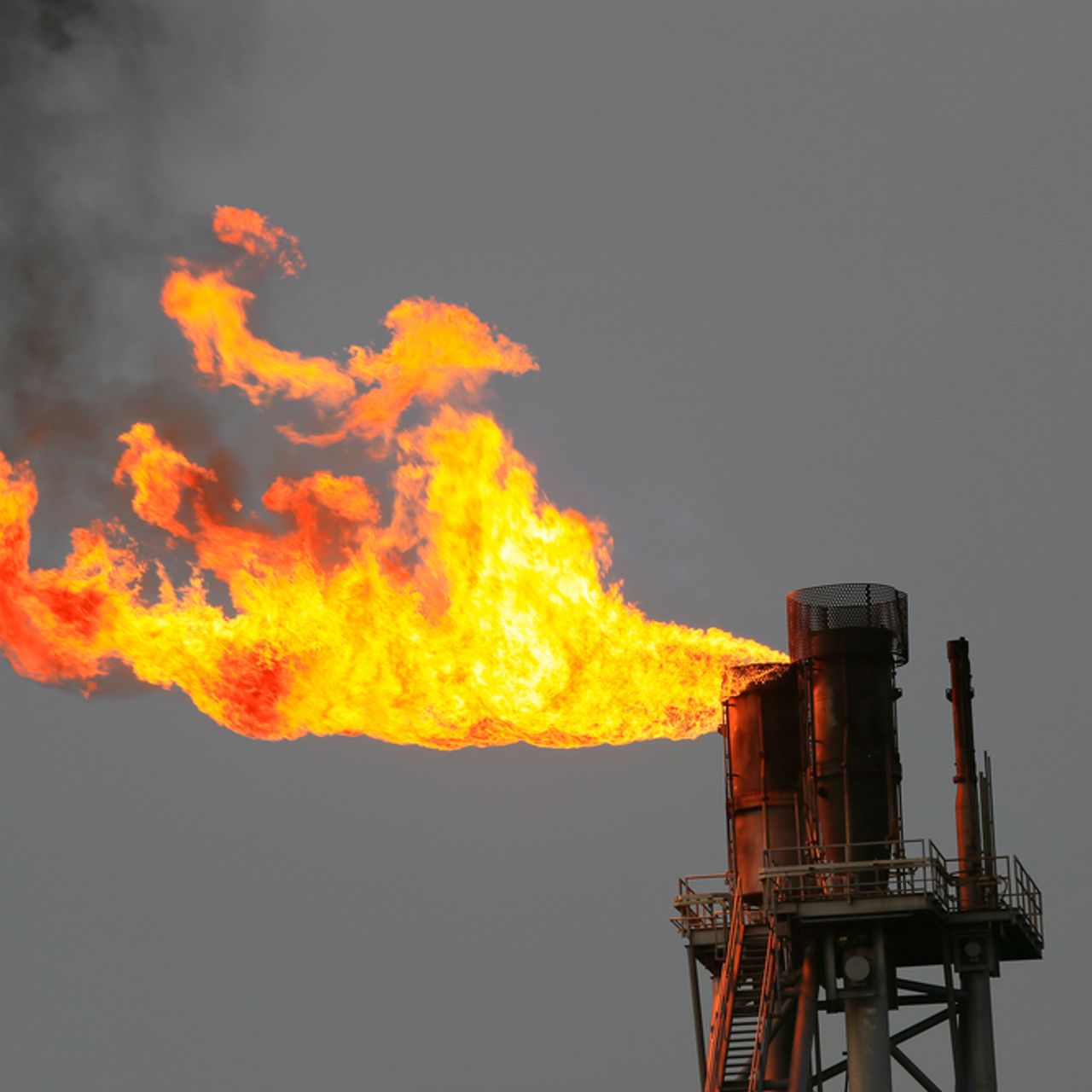
BP and Shell shares fell following a drop in crude oil prices by over 2%. This decline was driven by the recovery of Saudi Arabian oil exports and the potential for renewed US-Iran diplomatic talks. Despite ongoing geopolitical risks, initial shipping data showed a significant recovery in Saudi crude exports.