

Carnival Corporation & plc, commonly known as Carnival Corp (CCL), is the world's largest international cruise operator, boasting a colossal portfolio of leading cruise brands. The company started its operations in 1972 with just one ship and then expanded rapidly, playing a key role in popularizing cruise vacations.
Carnival Corp is a dual-listed company, incorporated in Panama and listed both in the United States on the New York Stock Exchange and in the UK on the London Stock Exchange. It essentially operates under two segments: North America and Australia (NAA) and Europe and Asia (EA).
The NAA segment stands the largest and includes brands like Carnival Cruise Line, Princess Cruises, and Holland America Line, serving millions of travelers each year. The EA segment also comprises of several prominent brands including Costa Cruises, P&O Cruises (UK), and Cunard.
Carnival Corp leads in the cruise industry, with more than 100 vessels across its portfolio of brands, providing a broad range of quality cruise experiences from budget-friendly to ultra-luxury. Pre-pandemic, the company operated over 700 ports worldwide. However, 2020 turned out to be a challenging year due to the COVID-19 pandemic causing an unprecedented global pause in cruising.
The company’s vast scale, geographical diversification, and broad brand portfolio have largely contributed to its financial resilience, built over four decades of consistent performance in the market. Over the years, Carnival has demonstrated its commitment to environmental responsibility, technological innovation, safety, and operational excellence.
True to its spirit of innovation and customer engagement, Carnival merged its oceanic entertainment with the digital world by introducing “Ocean Medallion,” a wearable device that helps in customizing each guest’s experience according to their preferences. This showcases how the company is leveraging technology to enhance customer experience.
Despite facing a major crisis during the pandemic, Carnival Corp continues to be dedicated to its mission of delivering superlative vacation experiences and showcasing the world’s natural beauty, historical landmarks, and various cultures to its passengers. As the global situation evolves, Carnival Corp remains focused on a responsibly phased return to service and long-term growth and shareholder value.
Income statement
Balance sheet statement
Cash flow statement
Current assets / Current liabilities
Equity / Debt / Cash
Dividends

A new cruise terminal is currently under construction at Naha Port in Okinawa, Japan, with operations slated to begin in March 2028. This joint venture between Naha Port Authority, MSC Cruises, and Royal Caribbean Group aims to expand the port's capacity for large cruise ships and turnaround calls, positioning Naha as a key hub for East Asian itineraries. The facility will include dedicated passenger services and preferential access for MSC Cruises and Royal Caribbean Group, who anticipate numerous calls in 2028.

Marriott International (MAR) reported strong third-quarter results, with revenue per available room (revPAR) increasing by 6.5% and adjusted EBITDA growing by 12%. The company has raised its 2026 revPAR growth forecast to 4.5%-5.0% and expects 3.5%-4.0% growth in 2027, driven by healthy travel demand. Analyst Dan Wasiolek notes that Marriott's brand advantage remains intact, though shares are considered rich.
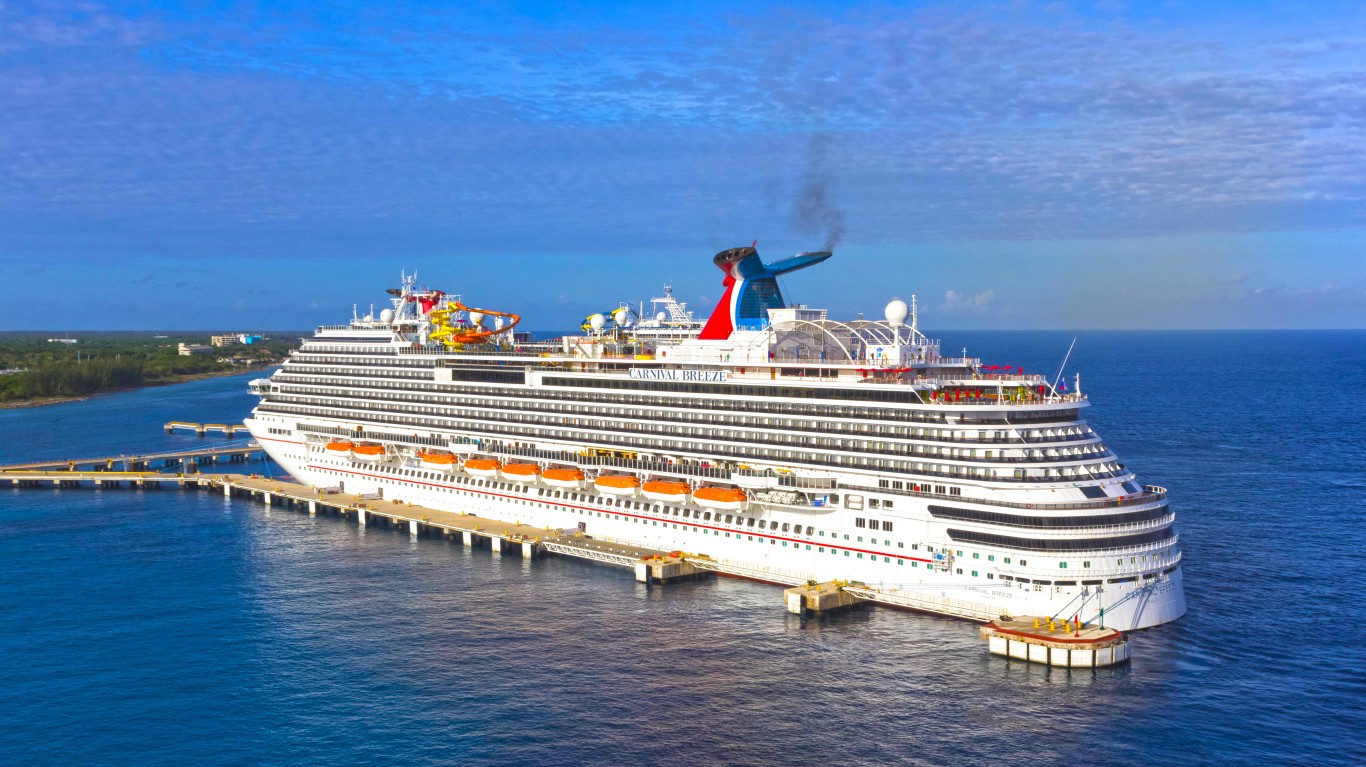
Cruise stocks, including Carnival, Royal Caribbean, and Norwegian Cruise Line, surged following a 4% drop in oil prices, a major operating cost for the industry. Carnival, which does not hedge fuel, saw a direct benefit, while Royal Caribbean, with partial hedging, also performed well. Norwegian Cruise Line gained but faces ongoing challenges with leverage and 2027 booking positions.

Royal Caribbean reported record Q3 2026 earnings of $1.7 billion, surpassing Hilton's entire 2025 net income. The article highlights how the cruise industry, especially Royal Caribbean, excels in capturing total guest spend on controlled properties, leading to higher profitability compared to asset-light hotel chains and even car rental companies. This strong performance also sheds light on Royal Caribbean's strategic move to acquire a stake in Sandals, aiming to replicate the "all-inclusive" model in land-based hospitality.

Royal Caribbean International has extended its ban on cruises to Labadee, Haiti, until at least April 2028 due to ongoing political instability and gang violence in the country. This marks the third extension of the moratorium, impacting dozens of sailings and resulting in automatic refunds for pre-booked excursions. The decision follows a Level 4 "Do Not Travel" advisory from the U.S. State Department and recent escalation in gang suppression efforts by El Salvador.

Michael Burry, known from "The Big Short," has invested in Build-A-Bear Workshop Inc. (NYSE: BBW), giving it a 6% position in his portfolio and calling it a "fat pitch" at $25. He believes the stock could double to $60-$65 based on a 10x EBITDA buyout valuation. Burry highlights that the company has transformed its business, becoming profitable and returning capital to shareholders, despite recent revenue dips and market skepticism.
Norwegian Cruise Line Holdings (NCLH) saw its stock surge 11% after beating Q3 earnings estimates, reporting an adjusted EPS of $1.12 against a $0.94 consensus, and raising its full-year outlook. This positive news also buoyed competitors, with Royal Caribbean Group (RCL) rising 3% and Carnival (CCL) up 2%. Despite the beat, Norwegian still faces challenges, including being down 21% year-to-date and expecting a Q4 adjusted loss, highlighting its ongoing turnaround efforts compared to its stronger rivals.
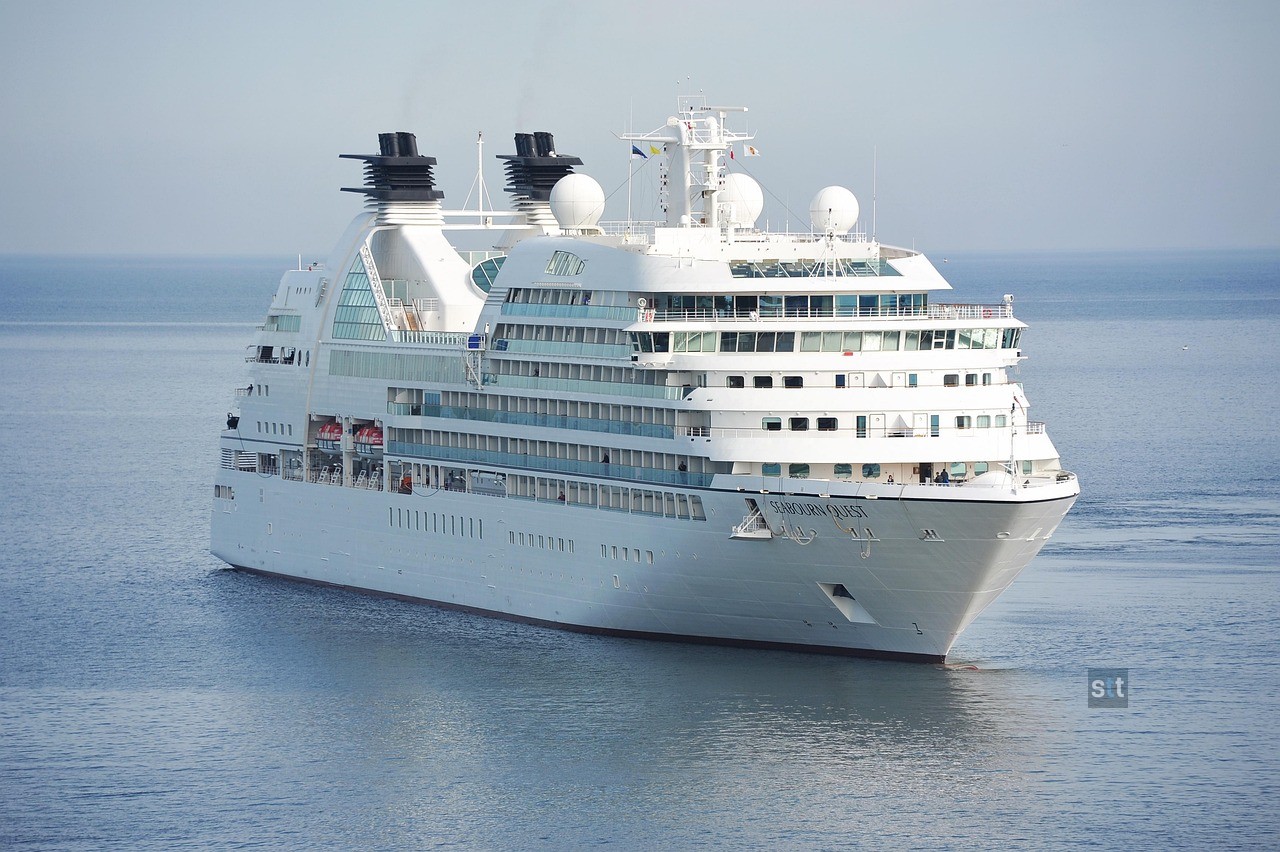
Norwegian Cruise Line Holdings Ltd. (NCLH) stock is up 12.08% due to strong consumer demand and booking trends, despite several banks trimming price targets. The company is refinancing $750M in senior notes to extend maturities and improve its debt profile, rather than funding risky expansion. While Wall Street consensus still leans overweight, the market anticipates more modest gains given macroeconomic factors like fuel and interest costs.
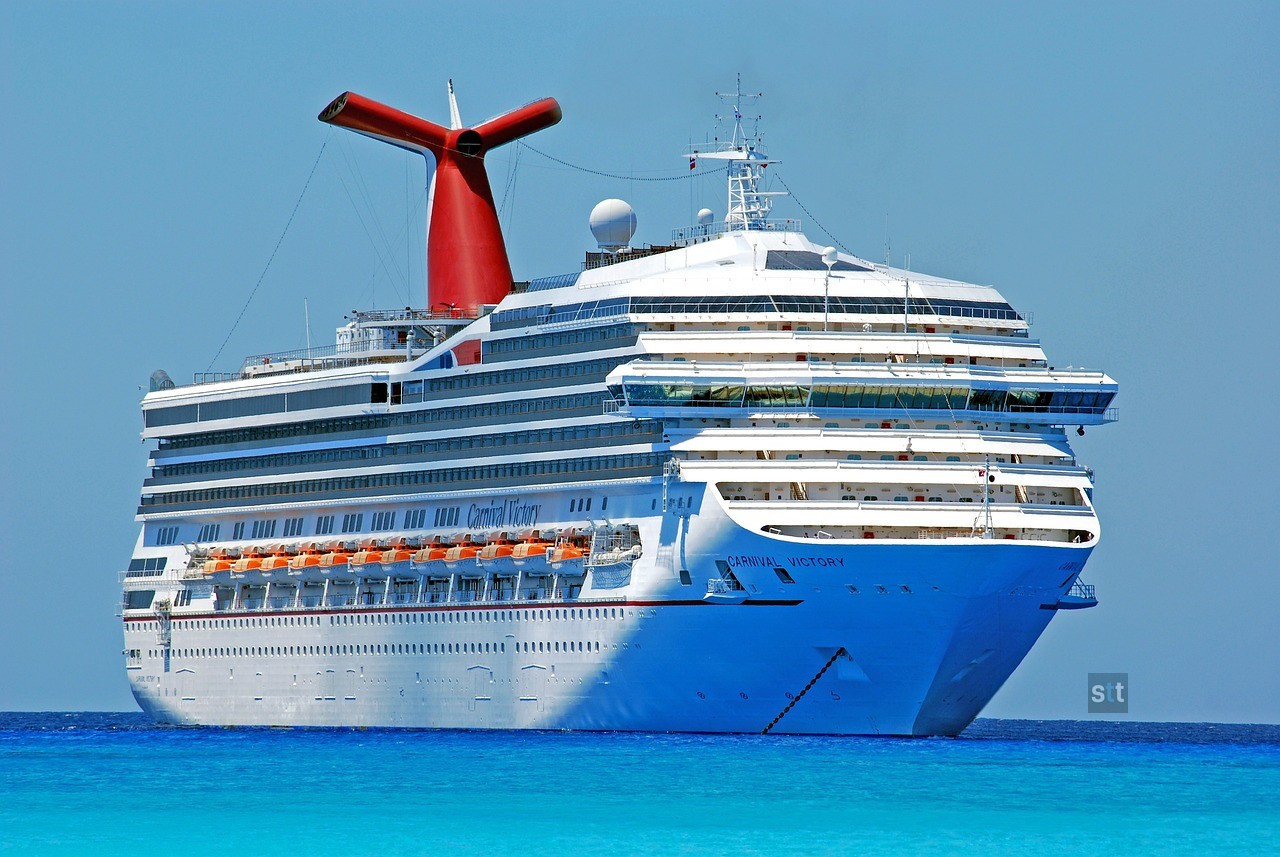
Norwegian Cruise Line Holdings Ltd. (NCLH) stock jumped 13.54% due to strong post-pandemic travel demand, with Carnival's positive Q3 results boosting the entire cruise sector. A $750 million senior-notes deal improved NCLH's balance sheet by extending debt maturities, and strong bookings for the new Norwegian Bella ship, launching in 2028, further fueled investor optimism. Despite analyst price target trims due to fuel and interest costs, the consensus remains positive, reflecting a "textbook tug-of-war" between strong demand and debt pressures.

Norwegian Cruise Line Holdings Ltd. announced third-quarter 2026 results, exceeding Wall Street expectations with an adjusted EPS of $1.12 against an estimated $0.96. The company reported $2.95 billion in revenue, a slight increase from the previous year, despite a 6.5% decline in Net Yield. Management anticipates FY 2026 adjusted EPS of $1.70 and Q4 revenue of $2.55 billion, with analysts holding a mixed sentiment due to ongoing market uncertainties.