

Chartered Communications Inc., more commonly known as Charter, is one of the largest and widely recognizable telecommunications and mass media companies in the United States. The Missouri-based company, which is recognized on the NASDAQ by the ticker symbol CHTR, provides services to over 30 million customers across 41 states under the well-known branding of Spectrum.
Charter Communications was originally founded in 1993 by Barry Babcock, Jerald Kent and Howard Wood, and over the years, has grown primarily through acquisitions of various cable companies. These include Time Warner Cable and Bright House Networks in 2016, which helped in expanding its presence substantially across America by making it the second-largest cable operator by subscribers.
Engaged in the business of providing a range of residential and commercial services including video entertainment, internet access and voice communication (telephone), Charter Communications focuses heavily on innovation, customer service and growth. The company operates a network of hybrid fiber-coaxial cables that provides high-speed internet and television services to its consumers. It also branched out to mobile services with Spectrum Mobile in 2018.
Charter’s business operations are bifurcated into two segments: residential and commercial. The residential segment, which is the major revenue generator, involves providing video, internet, and voice services to residential customers, whereas the commercial segment delivers similar services to businesses of all sizes, from small establishments to large enterprises.
Charter Communications' prominent position within the US industry is due to its investment in infrastructure, customer service and product offerings. The company has continuously worked to increase internet speeds and to expand its Wi-Fi network. Charter also contributes to the communities it serves by offering low-cost broadband service to underserved households under the Spectrum Internet Assist program.
Despite facing competition from other major players such as Comcast and AT&T, Charter has successfully maintained a consistent presence. Continually adapting and innovating in line with technological advances and adjusting to satisfy the evolving needs of both its residential and business customers, Charter Communications demonstrates a dynamic approach towards the telecom and media industry.
Income statement
Balance sheet statement
Cash flow statement
Current assets / Current liabilities
Equity / Debt / Cash
Dividends
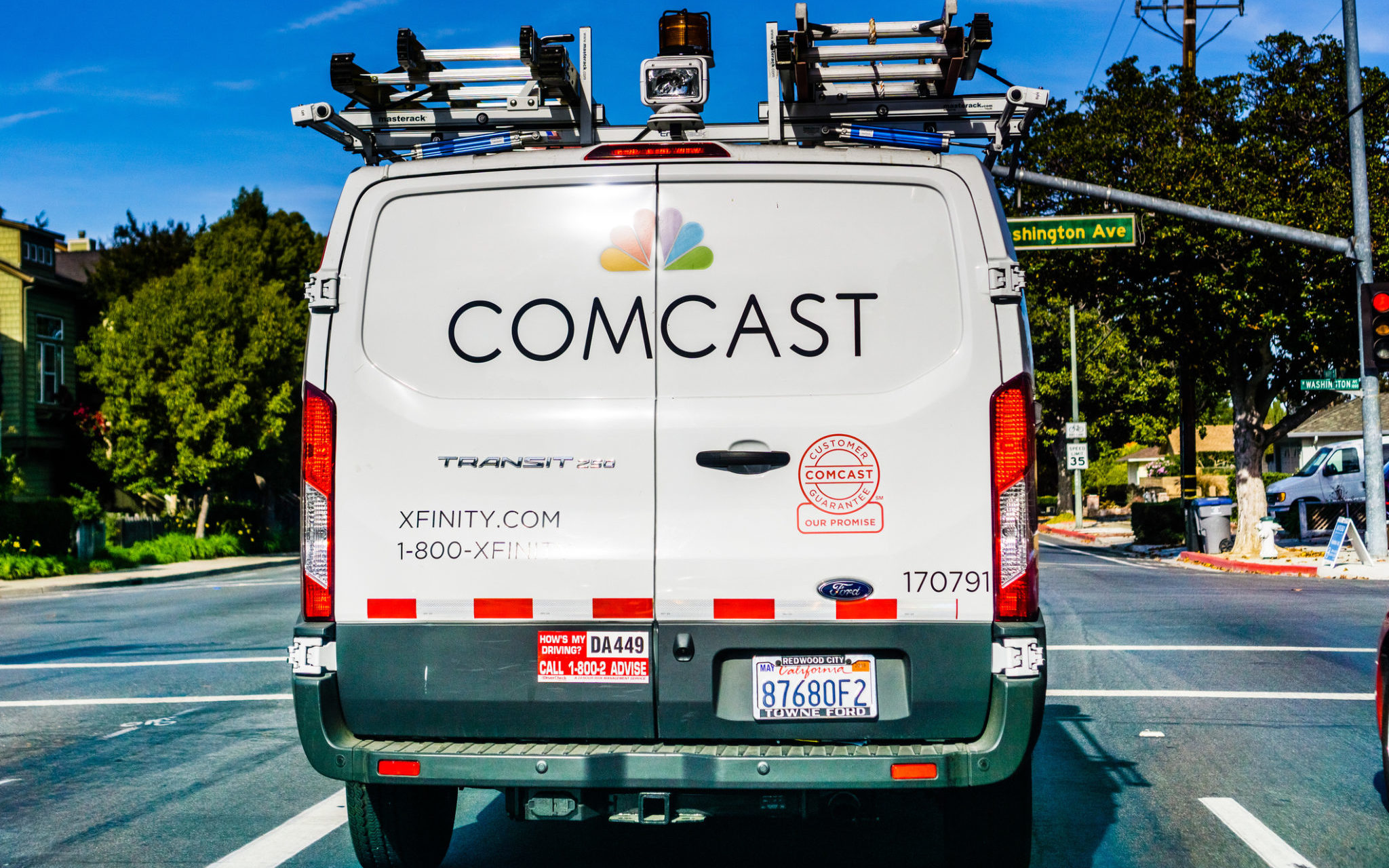
Comcast reported significant losses in its third-quarter 2026 results, shedding 144,000 domestic residential broadband customers and 274,000 domestic video customers as competitive pressures and migration to streaming continued. Despite these declines, the company saw growth in business services connectivity and domestic wireless lines, with Peacock achieving its second consecutive profitable quarter. Comcast is also moving forward with the planned separation of NBCUniversal and Sky to sharpen focus on connectivity operations.

Nisa Investment Advisors LLC significantly increased its stake in Charter Communications (NASDAQ:CHTR) by 798.5%, acquiring an additional 179,007 shares, bringing its total holdings to 201,424 shares valued at $22.3 million. Other institutional investors also expanded their positions, with institutional investors now owning 81.76% of Charter's outstanding shares. Despite this increased institutional interest, analysts maintain a "Reduce" consensus rating with a target price of $202.53, while the stock recently traded near its one-year low.

Charter Communications (CHTR) stock boasts a high free cash flow yield of 33.0%, significantly above the S&P 500 median of 4.4%. Despite this, the market gives the stock little credit due to its substantial debt load and shrinking revenue, particularly in its Internet and traditional TV segments. The company's recent acquisition of Cox Communications and its mobile business are key areas to watch as management aims to reduce debt and offset customer losses, with the next earnings report expected around November 6, 2026.

Comcast Corp is reportedly planning significant job cuts across its cable-TV, broadband, and wireless businesses as part of a restructuring effort. These cuts aim to create a more agile workforce and free up capital for investments, with announcements expected within weeks. The move follows Comcast's decision to split into two publicly traded companies amid pressure from streaming rivals and industry consolidation.

Charter Communications Inc. Cl A (CHTR) shares declined by 2.52% to $107.26 on Wednesday, despite a generally favorable trading session for the broader market where the S&P 500 and Dow Jones Industrial Average rose. The stock closed 57.94% below its 52-week high of $255.00, which it reached on October 21st.

Comcast Corp is reportedly planning significant job cuts as part of a restructuring of its cable-TV, broadband, and wireless businesses, according to Bloomberg News. The cuts are intended to create a more agile workforce and free up capital for investments, with announcements potentially starting in a few weeks. This news follows Comcast's decision to split into two publicly traded companies amid pressure from streaming rivals and industry consolidation.

Comcast and Spotify are set to release their Q3 earnings, with analysts predicting a revenue decline for Comcast and growth for Spotify. While Comcast struggles with subscriber losses in broadband, its Peacock streaming service and Universal studio show some content upside. Spotify continues to expand its Premium subscriber base and increase average revenue per user through price hikes and new features like Audiobooks+.