

Halliburton Co., also known as HAL, is one of the world’s leading providers of products and services to the energy industry. The company, which was founded in 1919 by Erle P. Halliburton, has been a significant player in the energy sector for more than a century. Halliburton's corporate headquarters are located in Houston, Texas, and Dubai, United Arab Emirates. Their operations are spread across approximately 80 countries.
Halliburton Co. is divided into two platforms: the Drilling and Evaluation Division and the Completion and Production Division. The Drilling and Evaluation Division provides field and reservoir modeling, drilling, evaluation, and precise wellbore placement solutions. Meanwhile, the Completion and Production Division delivers cementing, stimulation, intervention, pressure control, specialty chemicals, artificial lift, and completion services.
Over its lengthy history, the company has been instrumental in some of the industry’s most significant technological breakthroughs, including the establishment of 'Halliburton Cementing Oil Wells,' which revolutionized well-drilling techniques. Other significant contributions include the creation of techniques to extract oil from shale rock.
The company is also known for its past involvement in controversial incidents, such as the Deepwater Horizon oil spill in 2010, where Halliburton pled guilty to destroying evidence related to the accident.
However, Halliburton Co. has also made sustainability and environmental stewardship a priority. Its commitment to reducing environmental impact is demonstrated by their CleanSuite technologies such as CleanStream and CleanWell, which are designed to minimize waste, emissions, and the use of toxic materials.
Halliburton Co.'s financial performances have been impacted heavily by fluctuations in the oil and gas industry. With a global energy transition underway, the company is focusing on transforming its business outlook by exploring opportunities in clean energy and digital solutions.
Despite facing numerous challenges over the years, Halliburton remains a pivotal player in the energy industry. The company's emphasis on research and development, coupled with its extensive experience, makes it well-positioned to adapt to an evolving energy landscape. Halliburton's significant influence on progressive energy solutions signifies its continuing relevance in a changing world.
Income statement
Balance sheet statement
Cash flow statement
Current assets / Current liabilities
Equity / Debt / Cash
Dividends
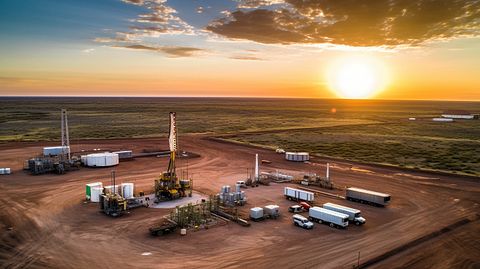
Halliburton (HAL) has signed two Memorandums of Understanding (MoUs) with Eneva and WESCA to explore oil and gas opportunities in Venezuela, positioning itself for a significant role in the country's energy sector revival. These deals aim to leverage Halliburton's long-standing presence and expertise in Venezuela, although the non-binding nature of the MoUs and Venezuela's inherent risks present challenges. Despite the uncertainties, this move could provide Halliburton an early foothold in a potentially lucrative market as other international oil majors also eye a return to Venezuela.

UBS projects Halliburton (NYSE: HAL) to meet Street expectations for Q3 2026 adjusted EBITDA and revenue, despite facing working capital headwinds and higher mobilization costs. The bank also forecasts solid Q4 growth and sees positive developments in Venezuela, maintaining a $42 price target.
UBS forecasts Halliburton to meet Street expectations for Q3 2026 adjusted EBITDA and revenue, though EPS might be slightly lower. The company faces working capital headwinds from SAP migration and higher mobilization costs but anticipates normalization in Q4. UBS also updated its FY27 and FY28 adjusted EBITDA estimates and maintained its $42 price target for Halliburton.

An executive from SLB, Steve Gassen, predicts a "supercycle" windfall for deepwater oil and gas, with new investments primarily driven by Brazil, Africa, and the Caribbean. This outlook was shared during the CERAWeek by S&P Global energy conference.
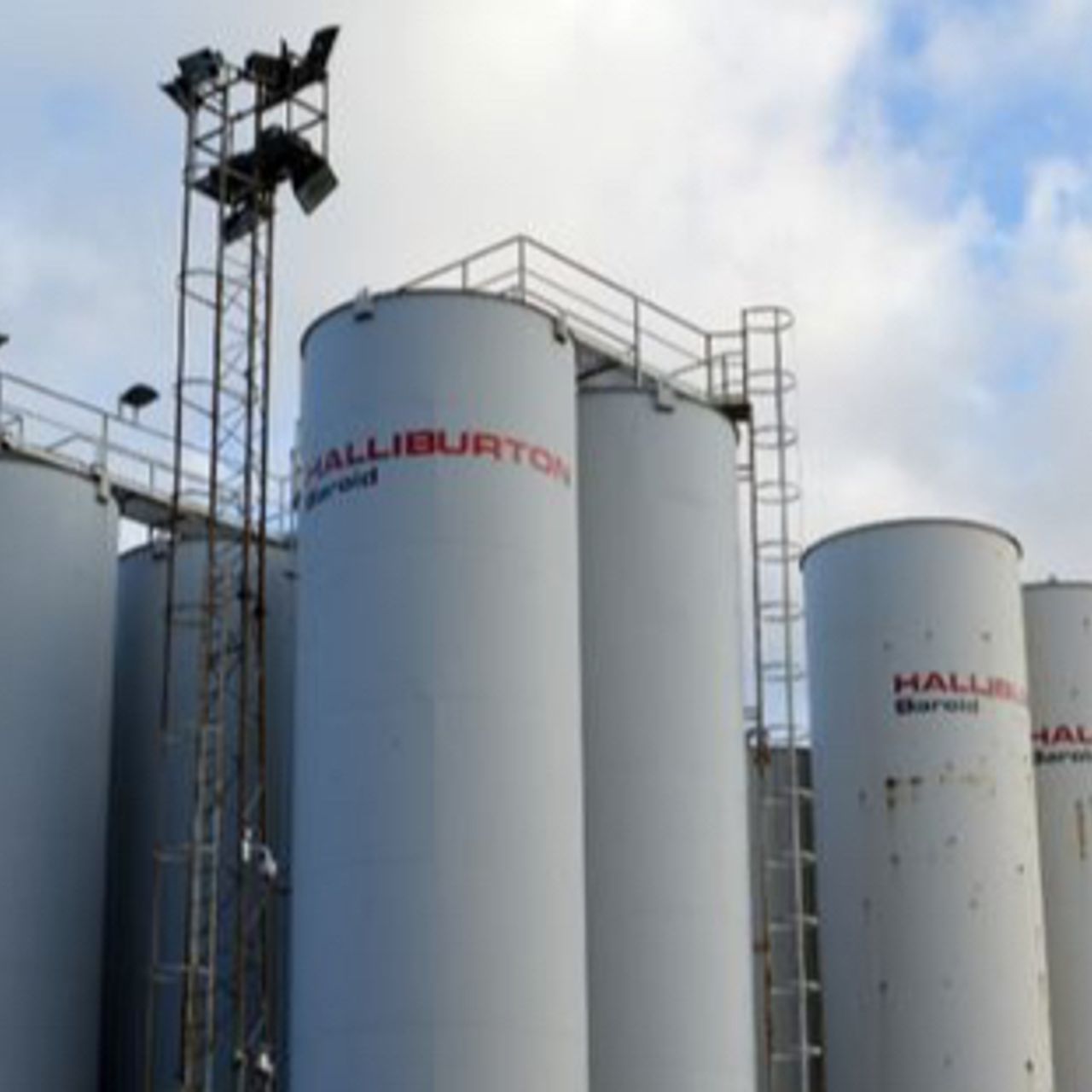
UBS anticipates Halliburton will meet Q3 Street expectations with $1.03 billion in adjusted EBITDA and $5.58 billion in revenue, though adjusted EPS might be slightly below consensus at $0.58. The quarter faces working capital headwinds due to a SAP migration and higher mobilization costs for frac crews moving to Saudi Arabia and Argentina. Looking ahead, UBS projects 2% top-line growth for Q4, aligning with Street estimates, and maintains a "buy" rating with a $42 price target, also noting Halliburton's re-entry into Venezuela as a positive development.

Precision Drilling Corporation (TSX:PD) experienced a 4.09% stock decline on September 21, 2026, closing at CAD 117.99, attributed to weak institutional sentiment, cautious portfolio rebalancing in the energy services sector, and heightened scrutiny over rig utilization and day-rate sustainability. The company's performance is influenced by upstream operator capital discipline, commodity price volatility, and operational challenges, despite its strong position in high-spec drilling technology and efforts in debt reduction. Investors are demanding consistent quarterly performance and disciplined capital management before awarding higher valuation multiples to this cyclical drilling contractor.
State Street Corp significantly increased its stake in Halliburton Company (NYSE:HAL) by 4.5% in the second quarter, now holding 56.9 million shares valued at approximately $1.93 billion. This investment accounts for 6.83% of the oilfield services company, with institutional investors collectively owning 85.23% of HAL. Halliburton's recent financial performance exceeded expectations, and the company is exploring growth opportunities in Venezuela, maintaining a "Moderate Buy" consensus among analysts.