

Johnson & Johnson (JNJ) is a multinational American healthcare company that was founded in 1886. Headquartered in New Brunswick, New Jersey, the company is one of the world's most comprehensive and broadly based manufacturers of healthcare products. JNJ operates in three distinct sectors: Consumer, Pharmaceutical, and Medical Devices. Each of these segments plays a strategic role in maintaining the overall growth and profitability of the company.
The Consumer sector offers a broad array of products used in the baby care, oral care, skin care, wound care sectors, and a variety of over the counter pharmaceutical products. This area of the business appeals to individual consumers and contributes significantly to the company's total sales.
The Pharmaceutical sector is the largest segment and accounts for over half of the company’s revenue. Product categories include immunology, infectious diseases, neuroscience, oncology, cardiovascular, and metabolism. The company’s dedication to innovation and investment in research and development have allowed JNJ to consistently discover, develop, and launch many breakthrough medications.
The Medical Devices sector provides a range of products and solutions used by health care professionals in fields such as orthopedic, surgery, interventional solutions, and eye health. The firm's medical devices and diagnostics segment manufactures products including orthopedic products; cardiovascular care, diabetes care, infectious disease and diagnostics products.
Johnson & Johnson is globally recognized for its corporate citizenship and social responsibility. It has been listed on the Dow Jones Industrial Average since 1997 and holds Fortune 500 standing. The company’s long-term vision focuses on developing and delivering advanced health care solutions while maintaining strong ethical standards, transparency, and sustainability.
At the helm of Johnson & Johnson's success is its 'Credo,' a mission statement prioritizing the needs and well-being of the people they serve and the pursuit of science and innovation. Johnson & Johnson considers its employees as their greatest asset and places a significant emphasis on diversity and inclusion.
In recent years, the company has been in the spotlight for its role in developing one of the vaccines for COVID-19, highlighting the organization's steadfast commitment to global health. Overall, JNJ's well-diversified business model, robust product portfolio, focus on innovation, and commitment to societal responsibilities continue to drive its success in the global healthcare industry.
Income statement
Balance sheet statement
Cash flow statement
Current assets / Current liabilities
Equity / Debt / Cash
Dividends

Johnson & Johnson (JNJ) has returned $84.7 billion to shareholders through dividends and buybacks over the past five years, representing 13.0% of its market value. Despite this significant cash return, JNJ stock's five-year total return of +89% only narrowly outpaced the S&P 500's +86%, suggesting the payouts did not drive meaningful outperformance. The article questions whether JNJ's cash-return discipline might be masking underlying growth issues, particularly in its MedTech division, and suggests monitoring MedTech's operational sales growth as a key indicator for future stock performance.
Johnson & Johnson's oncology and immunology pipeline is poised to drive significant growth, despite challenges like the decline of its blockbuster drug STELARA and ongoing litigation costs. Analysts see a potential 15% upside for JNJ shares, with a target of $312, fueled by breakthroughs in treatments like CARVYKTI and TREMFYA. While the company faces a premium valuation compared to rivals, its diverse portfolio of 28 billion-dollar products and strategic initiatives are expected to ensure continued earnings growth.
This article compares the growth stories of Gilead Sciences (GILD) and Danaher Corporation (DHR), both prominent healthcare companies. Gilead shows current momentum driven by its double-digit HIV business growth, while Danaher is in an earlier stage of recovery with improving life-sciences market spending, despite some project timing issues. Ultimately, Gilead's growth is more immediately apparent in its results, whereas Danaher's potential relies on future translation of current orders and market improvements into reported growth.

Johnson & Johnson (NYSE:JNJ) recently completed its latest quarterly cash distribution, continuing a streak of annual increases that spans over sixty years. The company's diversified healthcare franchise, including Innovative Medicine and MedTech divisions, enables consistent cash generation even through varied economic conditions. This robust history makes J&J a notable example among steady cash distributors, especially as market attention balances technology growth with more defensive sectors.

Johnson & Johnson CEO Joaquin Duato has been appointed as an independent member of PepsiCo's 12-member board of directors, effective December 1. Duato, who has led J&J since 2022, will also serve on PepsiCo's audit committee. His appointment is expected to bring valuable strategic and global organizational expertise to PepsiCo as the company aims to reshape its portfolio and drive growth.
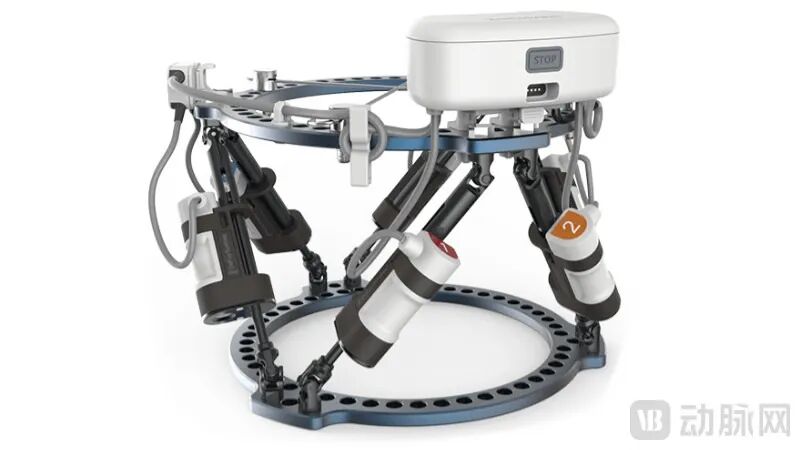
Johnson & Johnson, through its DePuy Synthes subsidiary, has introduced three new orthopedic trauma products that aim to automate and improve fracture treatment. These innovations include the MAXFRAME AUTOSTRUT Bluetooth version automatic external fixation system, an expanded VOLT plate system with MOSAIC technology for better anatomical fit, and the upcoming VELYS Trauma AI intraoperative AI system. These products represent a shift towards automated execution, improved implantation, and enhanced guidance in fracture care, addressing the limitations of manual methods and potentially transforming the business model from one-time sales to subscription-based services.

This article compares Gilead Sciences, Inc. (NASDAQ: GILD) and Johnson & Johnson (NYSE: JNJ), evaluating whether Gilead's faster growth, driven by its HIV franchise, is more appealing than J&J's broader diversification across pharmaceuticals and MedTech. While Gilead shows stronger underlying growth and raised its outlook, it also carries concentration risk due to its reliance on HIV sales. J&J, despite challenges like Stelara's decline, demonstrated the value of diversification by still raising its guidance, offering a more balanced investment case.

The article compares the investment risks of Gilead Sciences (GILD) and Pfizer (PFE). Gilead faces a concentration risk due to its heavy reliance on its HIV franchise, while Pfizer is challenged by a patent cliff and the need to replace revenue lost to generic and biosimilar competition. The author concludes that Gilead's concentration risk is currently easier to underwrite because its dominant HIV franchise is actively growing, whereas Pfizer must replace anticipated revenue losses.
Medtronic (MDT) is focusing on accelerating growth through innovation platforms, strong core segments, and high-growth opportunities like robotic surgery and new devices. The company's recent collaboration with Cornerstone Robotics and a revised fiscal 2027 outlook signal a bullish future, with projected organic revenue growth of 7.25% to 7.75%. However, Medtronic faces intense competition from companies like Johnson & Johnson and Intuitive Surgical in these targeted growth markets, which could challenge its ability to capture significant market share.