

Mondelez International, Inc. (MDLZ) is a leading global confectionery, food, and beverage corporation based in the USA. The multinational company is listed on the NASDAQ Global Select Market and has made a significant mark in the global food market with its renowned products that are popular in every corner of the world.
The company was established in 2012 following a spin-off from Kraft Foods Inc. However, its rich history and iconic brands can be traced back to the 18th and 19th centuries. The name Mondelez was coined from two Spanish words - 'Monde' and 'delez', meaning 'world' and 'delight' respectively. This name perfectly encapsulates the company's goal, which is to provide the world with delicious moments of joy.
Mondelez International is widely recognized for many household brand names, with its portfolio encompassing billion-dollar brands such as Oreo, Cadbury, Milka chocolates, Trident gum, Jacobs coffee, and Tang powdered beverages, among others. The company's operational footprint covers approximately 80 countries around the globe, and its products are sold in over 150 countries, marking its significant global expansiveness.
Under its operational strategy that pivots on innovation, marketing, and cost-cutting, Mondelez International focuses on generating sustainable growth. As part of this, the company continuously invests in brand building, upgrading its manufacturing operations, and driving efficiencies through its supply chain to reduce costs.
In a firm commitment to sustainability, Mondelez International has put in place various eco-friendly initiatives. The company strives to make its products right by reducing its environmental footprint, and it also champions mindful snacking and ingredient transparency. Moreover, the company looks beyond just product sustainability; it also focuses on enhancing the wellbeing of people and the communities where it operates through initiatives like Cocoa Life, which improves the livelihoods of cocoa farmers.
In a nutshell, Mondelez International isn't just about providing the world with beloved and tasty products; it's about creating impactful growth — growth that is beneficial for the company's shareholders, mindful of its environmental impact, and inclusive of the communities it serves. Its dynamic portfolio of globally recognized brands is not only a testament to its success but also the potential for its continued growth and positive impact. With a clear future-forward strategy, Mondelez International remains well-positioned to continue its leading role in the global food and beverage sector.
Income statement
Balance sheet statement
Cash flow statement
Current assets / Current liabilities
Equity / Debt / Cash
Dividends
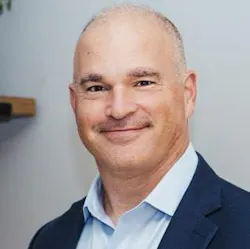
Keurig Dr Pepper has appointed Russ Torres, current president and COO of Kimberly-Clark Corp., as the CEO of its future "Global Coffee Co." spinoff. This separation is targeted for early 2027, with Torres joining KDP on November 3, 2026, to lead the integration of KDP’s and JDE Peet’s coffee operations. The new coffee company is projected to generate $16 billion in annual revenue and employ over 25,000 people across more than 100 markets.
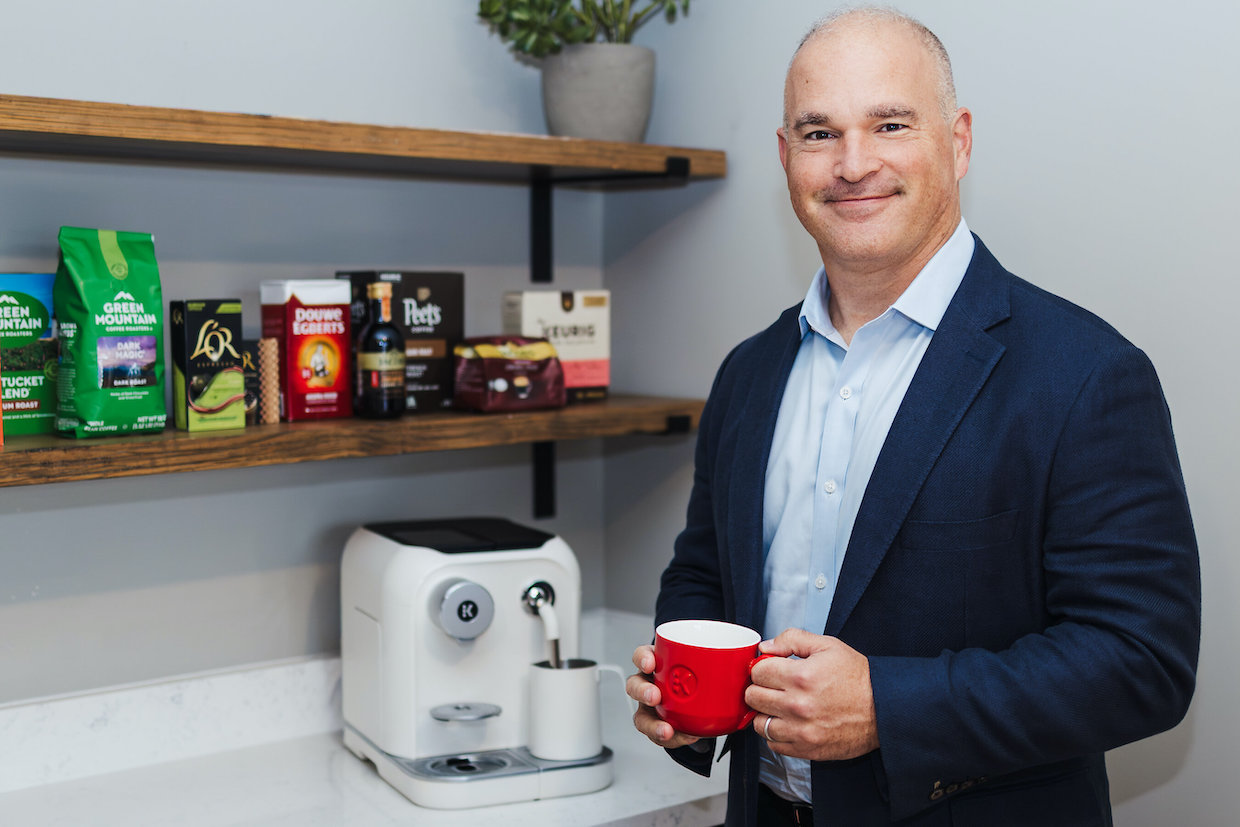
Keurig Dr Pepper (KDP) has appointed Russ Torres, previously Kimberly-Clark's President and COO, to lead its new global coffee business, Global Coffee Co., ahead of a planned corporate split in early 2027. Torres will oversee the integration of KDP's existing coffee operations with JDE Peet’s, with the coffee company projected to generate $16 billion in annual revenue. This appointment follows two previous executive leadership changes for the coffee unit since the JDE Peet’s acquisition announcement in August 2025.

Keurig Dr Pepper (KDP) has appointed Russ Torres as the CEO of its upcoming Global Coffee Co., effective November 3. Torres will initially lead the coffee operations and supervise the integration of KDP's and JDE Peet's coffee businesses in preparation for the planned business split.

Hershey's will begin rolling out candies made without artificial dyes starting early next year, following an announcement in 2025 to update their recipes. The change, prompted by a push from the Trump administration and state laws, will see natural color sources like fruits and vegetables replace artificial dyes. Core sweets and refreshment brands, including Ice Breakers, Jolly Rancher, Twizzlers, Sour Strips, and Reese’s Pieces, will transition through 2027, with no anticipated product shortages.
PepsiCo has increased its dividend despite a significant drop in reported net income, driven by non-cash write-downs rather than a decline in core operating cash flow. While the company's free cash flow yield closely matches its dividend yield, indicating a thin buffer, strong core EPS growth and international momentum are expected to support future payouts. Investors are advised to monitor operating cash flow and the 80% free cash flow conversion target for future dividend safety.

Amid rising inflation, interest rate hike fears, and declining consumer sentiment, Zacks Equity Research recommends four low-beta defensive stocks from the consumer staples sector: Coca-Cola Co. (KO), Philip Morris International Inc. (PM), Mondelez International, Inc. (MDLZ), and Dole plc (DOLE). These companies are highlighted for their strong market positions, growth strategies, and attractive financial metrics, offering stability in a volatile market. The report details each company's strengths and expected earnings growth, suggesting them as favorable investments.