

The Occidental Petroleum Corporation, often referred to as Oxy, is one of the largest oil and gas exploration and production entities in the U.S. Founded in 1920 in California, the company was initially dedicated to natural gas and petroleum extraction domestically. Its name, Occidental, is testament to its initial focus on the western hemisphere.
Today, Oxy operates on a global scale, with key operations in the U.S., the Middle East, and Latin America. It specializes in heavy oil extraction, high-pressure steam floods, water floods, and carbon dioxide floods, amongst other processes. Its headquarters are located in Houston, Texas.
In the U.S, Oxy is a leading oil producer in Texas and a significant player in the Gulf of Mexico. Beyond its domestic operations. The company also has a large footprint in the Middle East and North Africa region, with substantial operations in Oman, Qatar, and the United Arab Emirates. It also operates in Colombia and Bolivia in South America.
Occidental has developed its business model around traditional oil and gas extraction while evolving towards low-carbon and renewable energy solutions. In recent years, it has increasingly emphasized its commitment to environmental stewardship and sustainability. Among its pioneering initiatives is the development of a large-scale carbon capture and sequestration project aimed at reducing greenhouse gas emissions.
Oxy prides itself as an innovative company, with a track record of technological advances in the enhanced oil recovery (EOR) arena. Its sophisticated use of horizontal drilling and advanced subsurface modelling has brought significant production gains.
The company is also renowned for its strong commitment to social responsibility. It fosters relationships with local communities near its operations and takes steps to ensure minimal disruption to local ecosystems. As part of their commitment to safety, they strive to uphold stringent standards to protect their employees, contractors, and environment.
Over the years, Occidental Petroleum has demonstrated resilience and adaptability, dealing with changes in global markets and energy demands. They have faced considerable challenges such as fluctuating oil prices and even controversies in their operations, but they continue to hold steadfast in the energy industry. They remain committed to energy efficiency, innovation, and environmental consciousness as they provide energy solutions to communities across the globe.
On the financial front, Occidental Petroleum Corporation has secured a comfortable position among Fortune 500 companies and is traded on the New York Stock Exchange under the ticker symbol "OXY." While the shifting landscape of the oil and gas industry presents challenges, the company's recent investments in sustainable energy projects reflect a forward-thinking approach, positioning Occidental Petroleum for continued relevance in the global energy market.
Income statement
Balance sheet statement
Cash flow statement
Current assets / Current liabilities
Equity / Debt / Cash
Dividends
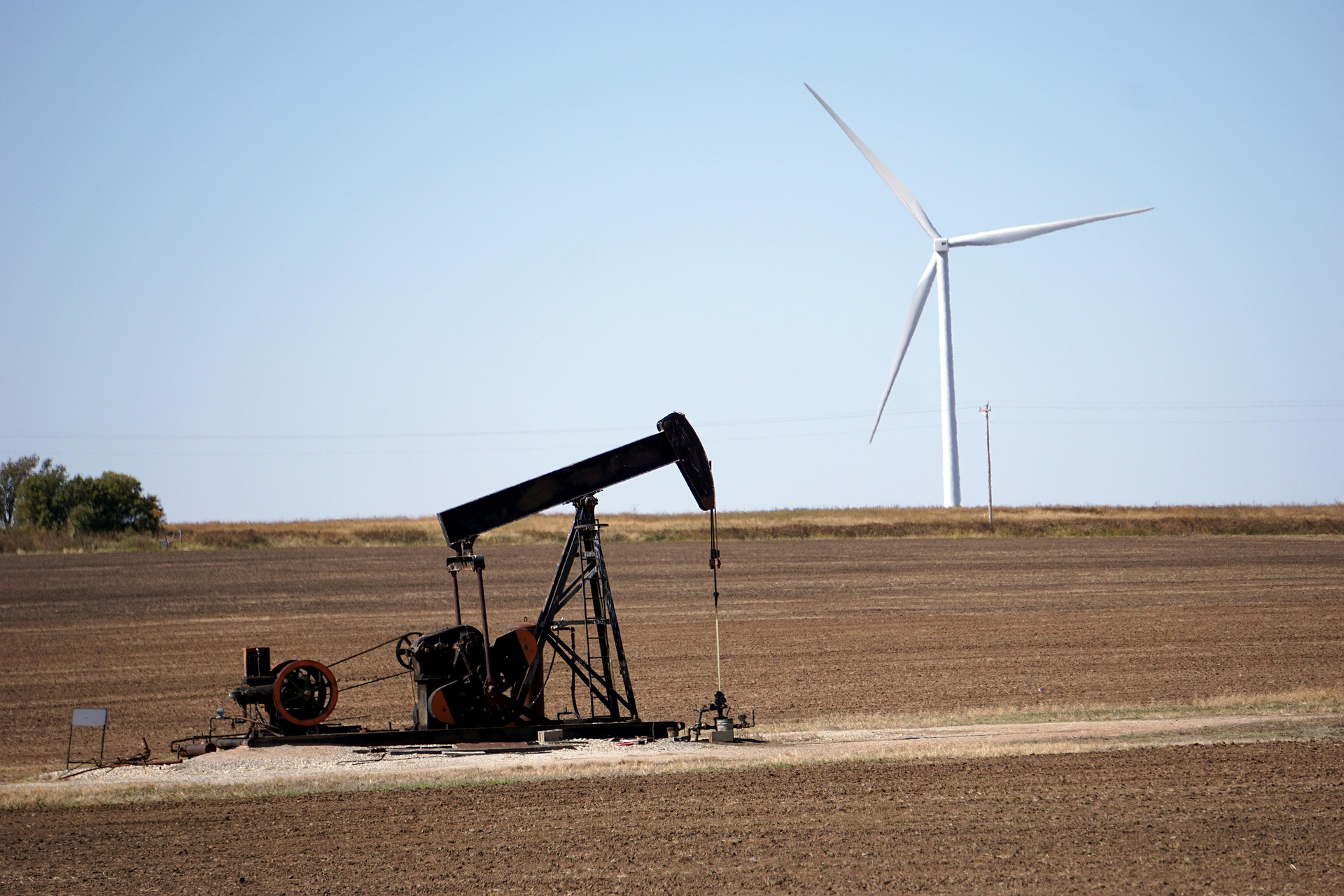
Occidental Petroleum (OXY) has grown revenue faster than its peers and trades at a lower earnings multiple, despite a significant profit boost from one quarter. When evaluated on sales and operating profit, Occidental still shows strong performance and wider margins compared to rivals like ConocoPhillips. The company plans to prioritize debt reduction over increased production, making its future sales growth highly dependent on commodity prices.

Occidental Petroleum exceeded its Q3 2026 production guidance and achieved a $10 billion principal debt reduction milestone. The company plans to add over $4 billion in annual sustainable cash flow by 2030 through operational efficiencies, lower decline rates, and reduced debt interest, while also focusing on increasing shareholder returns through a sustainable dividend and opportunistic share repurchases. Management highlighted strong U.S. onshore and Gulf of Mexico performance, advancements in enhanced oil recovery (EOR) with AI optimization, and securing low-cost CO2 supply agreements.

Chevron has agreed to farm out a 25% interest in its offshore Namibia PEL 82 license to QatarEnergy, introducing a state-backed partner to the Walvis Basin exploration program. Chevron will retain 55% ownership and operatorship, continuing to control work plans while sharing exploration, drilling, and development costs. This move aligns with Chevron's strategy of focusing on low-cost upstream projects and disciplined portfolio management to support future cash flows.
Strathcona Resources has agreed to acquire Greenfire Resources in a deal valued at approximately CAN$2.7 - 2.9 billion, including Greenfire's net debt. This acquisition expands Strathcona's heavy oil and oil sands operations in Alberta, unifying two complementary businesses with parallel growth plans. The combined entity will become the 4th largest SAGD operator in Canada, boasting over 3.0 billion bbl of proved plus probable (2P) oil reserves and a unique market position as the only publicly traded oil sands company with production between 25,000 and 450,000 bpd and a pure oil sands play.

Occidental Petroleum Corp reported better-than-expected third-quarter net profit of $1.91 per share, adjusted for nonrecurring items, exceeding analyst projections. The company also announced a significant reduction in its principal debt to $10 billion, having retired $10.4 billion since the beginning of the year. This financial improvement follows efforts to manage debt after the CrownRock LP acquisition and the sale of its OxyChem business to Berkshire Hathaway Inc.

Occidental Petroleum exceeded Wall Street's third-quarter profit expectations due to higher oil prices, despite a decline in production. The company's average realized crude price significantly increased, offsetting a slight drop in global and international production. Occidental also announced long-term agreements for carbon dioxide sourcing to support its oil recovery operations in the Permian Basin.
QatarEnergy has agreed to acquire a 25% participating interest in Petroleum Exploration Licence 82 (PEL 82) offshore Namibia from Chevron. Sintana Energy, through its indirect interest in Custos Energy, maintains its exposure to PEL 82's potential, which is located in the Walvis Basin and covers approximately 11,450 km². This transaction is seen as an endorsement of the region's hydrocarbon potential as exploration activities continue.