

Procter & Gamble Co. (PG) is an American multinational corporation that specialises in a wide range of personal care, consumer health, and hygiene products. The company was founded in 1837 by William Procter, a candle maker, and James Gamble, a soap maker, who were encouraged by their wives to merge their businesses as both raw materials were the same: tallow. The collaboration became a behemoth in the personal care industry, first in the United States, then worldwide.
P&G products are available in over 180 countries and territories and are divided into several categories, such as beauty and grooming, health care, baby care, family care, fabric and home care. Its line-up includes some of the world's leading brands like Gillette, Pantene, Oral-B, Pampers, Tide, and Olay. With a broad spectrum of products catering to the needs of consumers from every demography, P&G has carved out a dominant market position.
Over the years, P&G has prioritized research and development, helping to create innovative products that stand out in a fiercely competitive market. The company's commitment to providing superior quality products has been a key driver of its financial performance. Additionally, the company has consistently exhibited a solid ability to read the dynamic consumer market and adapt to changing tastes and trends.
P&G has faced criticism over environmental issues, involving its use of non-recyclable plastic packaging. However, the company has committed to reducing its environmental footprint, with sustainability goals such as achieving zero manufacturing waste to landfill and sourcing 100% renewable electricity. It has also endeavored to create a positive societal impact, supporting numerous communities, and philanthropic endeavors worldwide.
Headquartered in Cincinnati, Ohio, P&G has manufacturing operations in over 80 countries, employing over 99,000 people worldwide and generating over $67 billion in annual sales. Despite its age, the company continues to be a major player in its sector, reflecting its commitment to innovation, quality, and consumer satisfaction. In the stock market, P&G's shares are a component of the Dow Jones Industrial Average and the company ranks among Fortune 500 companies. Given its influential place in the personal care industry, P&G demonstrates the power of a well-executed business strategy and is a case study in long-term corporate success.
Income statement
Balance sheet statement
Cash flow statement
Current assets / Current liabilities
Equity / Debt / Cash
Dividends
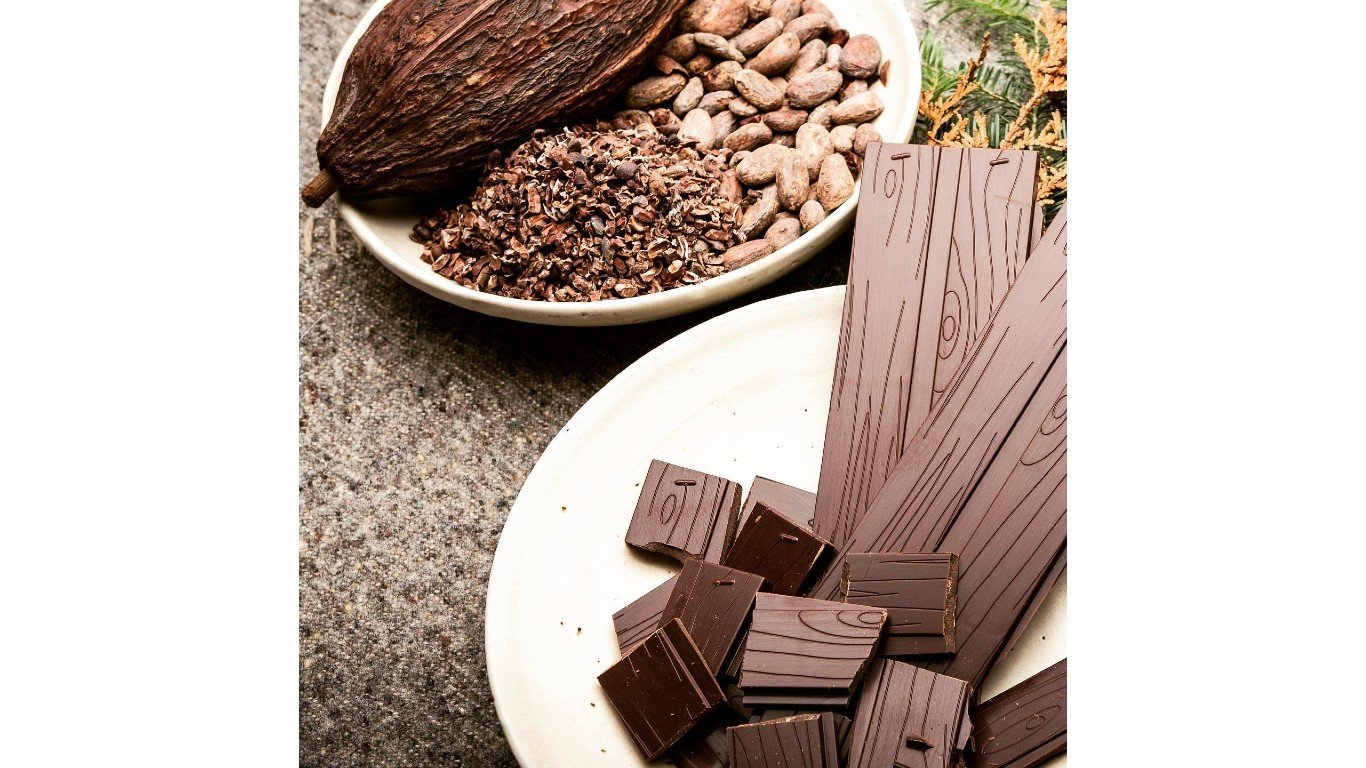
This article compares Hershey (HSY) and Mondelez (MDLZ) as investment options for retirement-focused investors, especially considering their dividends amidst rising cocoa costs. Despite facing the same cocoa cost pressures, Mondelez is presented as the stronger dividend stock due to its higher yield, better free cash flow coverage, consistent dividend growth, and diversified global market presence. Hershey's dividend raises paused during the cocoa price squeeze, and its performance has lagged Mondelez's year-to-date, though Hershey offers a higher long-term total return.
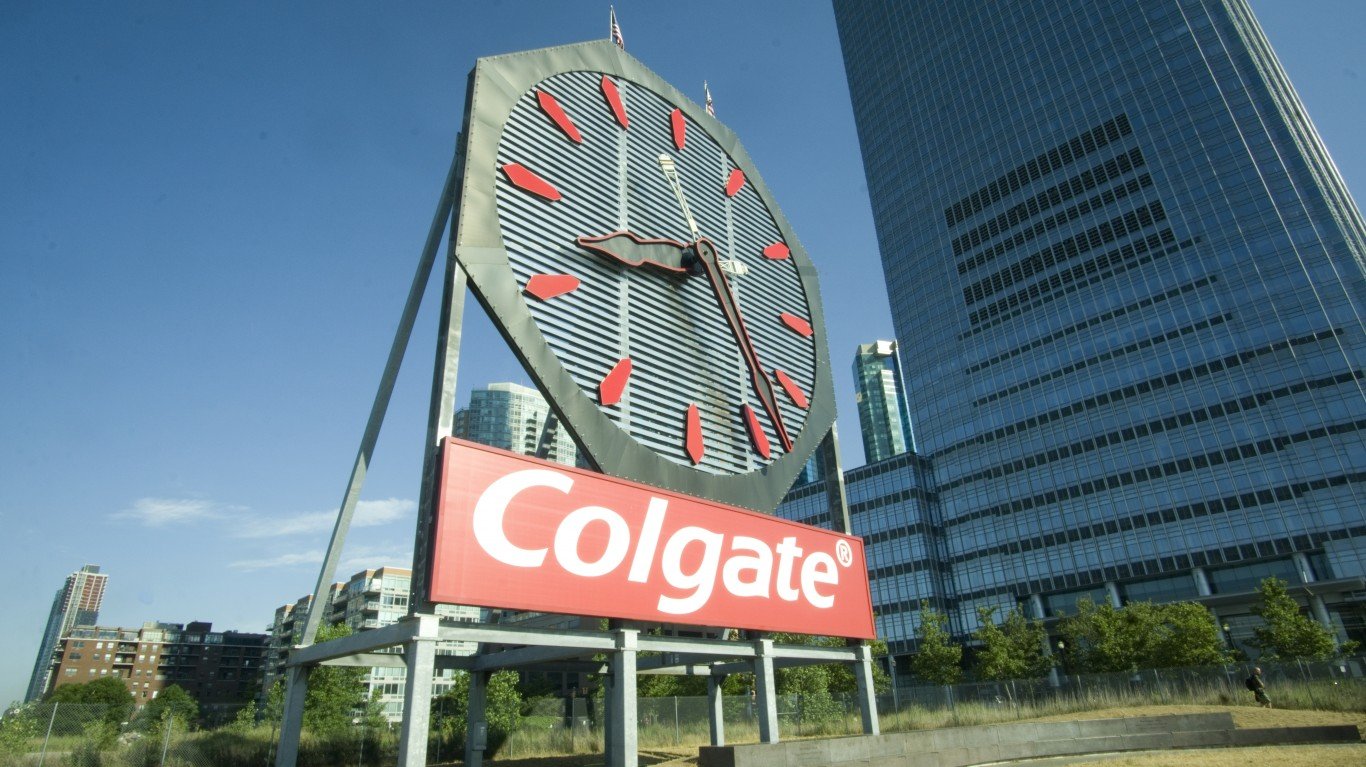
Colgate-Palmolive boasts an exceptional dividend record, having paid dividends since 1895 and raised them for 63 consecutive years, making it a Dividend King. While its cash flow comfortably covers its payouts, the company faces bifurcated growth with strong performance in Latin America and Asia Pacific but a decline in North America. Despite a solid dividend and global market share, its premium valuation suggests the stock is priced for perfection, and North America's recovery is crucial for future total returns beyond the dividend yield.
Colgate-Palmolive (CL) has an impressive dividend history, paying continuously since 1895 and increasing it for 63 straight years, making it a Dividend King. While its dividend is secure with strong cash flow coverage, the company faces challenges in North America with declining revenue, though Latin America and its global toothpaste share show strength. The stock's current valuation at 21x forward earnings suggests it's priced for perfection, with its future total return largely dependent on a recovery in its North American market.

The Procter & Gamble Company (NYSE:PG) is preparing for its next earnings webcast, showcasing its focus on brand science and wellness expansion. The company highlights research behind its flagship hair and oral care brands and is engaging in new marketing partnerships, including one with professional football. P&G continues to emphasize its defensive qualities within the S&P 500, with its diverse portfolio of household staples providing stability amid fluctuating market conditions.
This article examines the passive dividend income an investor could generate by investing $100 per month in Procter & Gamble (NYSE: PG) stock over 10 years. It highlights that P&G, a consumer staples company, currently offers a dividend yield of nearly 3% and has consistently raised its dividend for 70 consecutive years. While a rough calculation suggests $1,951 in cumulative income over a decade from a $12,000 investment, the article notes this estimate doesn't fully account for dividend increases and stock price appreciation, both of which could significantly boost actual returns.
This article calculates the potential passive dividend income from investing $100 per month in Procter & Gamble (PG) stock over 10 years. It highlights that while P&G isn't a high-growth stock, its consistent profitability and 70-year history of dividend increases make it attractive for income-focused investors. The author estimates approximately $1,951 in cumulative dividend income over a decade, noting that this figure doesn't account for future dividend increases or stock price appreciation.

Costco members who purchased specific Procter & Gamble products between August 24 and September 20, 2026, may be eligible for a rebate of up to $60. Customers spending $100 can receive $25, while those spending $200 can get $60. Claims must be submitted by October 31, 2026, and multiple receipts are accepted, with a limit of two cards per customer.
This article compares the dividend stability and growth prospects of Procter & Gamble (PG) and Hershey (HSY), particularly for retirement portfolios facing cost surges. It concludes that P&G offers a significant advantage due to its diversified business, consistent dividend raises over 70 years, and ability to absorb cost headwinds. Hershey, while offering a higher current yield, is more susceptible to commodity price volatility like cocoa, making its dividend less reliable for retirees needing consistent income growth.
This article compares the dividend stability of Procter & Gamble (P&G) and Hershey (HSY), particularly during periods of surging costs. It concludes that P&G offers a more reliable dividend growth for retirees due to its diversification and long history of consistent raises, even amidst commodity shocks. Hershey, while offering a higher current yield, is more susceptible to volatility from single commodity prices like cocoa.