

LendingTree, Inc. is a leading online loan marketplace operating under its namesake, LendingTree. The company provides a unique platform where consumers can shop and compare various financial products, such as loans, credit cards, and insurance, to make informed decisions. The digital marketplace delivers consumers to lenders, allowing them to simplify the process of finding the right loan or credit solution.
LendingTree, Inc. was founded in 1996 by Doug Lebda and began as an online mortgage broker. It was one of the pioneers in the online lending industry, which revolutionized the way consumers apply for loans. After experiencing significant growth and success, it was acquired by IAC/InterActiveCorp in 2003.
Since its inception, it's been the company's mission to help borrowers find the best loans or financial products from an array of choices on its platform. LendingTree has grown its product line to serve a broad range of personal finance needs. This includes personal loans, student loans, auto loans, business loans, home equity loans, and more. It's not a direct lender itself but rather connects users with multiple lenders who offer different products, terms, and rates.
The platform uses proprietary data and algorithms to match consumers with lenders, serving as a bridge between the two. LendingTree also allows consumers to track their credit score, explore ways to improve it, and understand how it impacts the interest rates they're offered.
In addition to its loan services, LendingTree's suite of tools and resources adds more value for its users. This includes financial calculators, educational articles, and interactive loan comparison tools that bring transparency to the loan selection process.
One unique feature LendingTree offers is the negotiation tool. It ignites competition among the lenders on the platform, ensuring they offer competitive rates to the consumers. Thus, LendingTree puts the consumer in the driver's seat by offering a range of financial solutions from multiple lenders, giving them the power to compare and choose what best suits their needs.
LendingTree is publicly traded on the NASDAQ under the symbol TREE. It's recognized as a tech-driven financial services company and has been profitable and influential in the online lending ecosystem. In recent years, LendingTree continues to innovate and expand its platform to empower consumers and businesses, providing an invaluable service in today's digital economy.
Income statement
Balance sheet statement
Cash flow statement
Current assets / Current liabilities
Equity / Debt / Cash
Dividends
Wall Street Zen has downgraded LendingTree (NASDAQ:TREE) from "Buy" to "Hold" as of Saturday, October 24, 2026. Despite this downgrade, the overall analyst consensus remains a "Moderate Buy" with an average price target of $61.33, significantly higher than its opening price of $26.81. The company recently missed quarterly earnings expectations, reporting adjusted EPS of $0.68 against a $1.41 consensus, though revenue increased by 25.3% year-over-year.
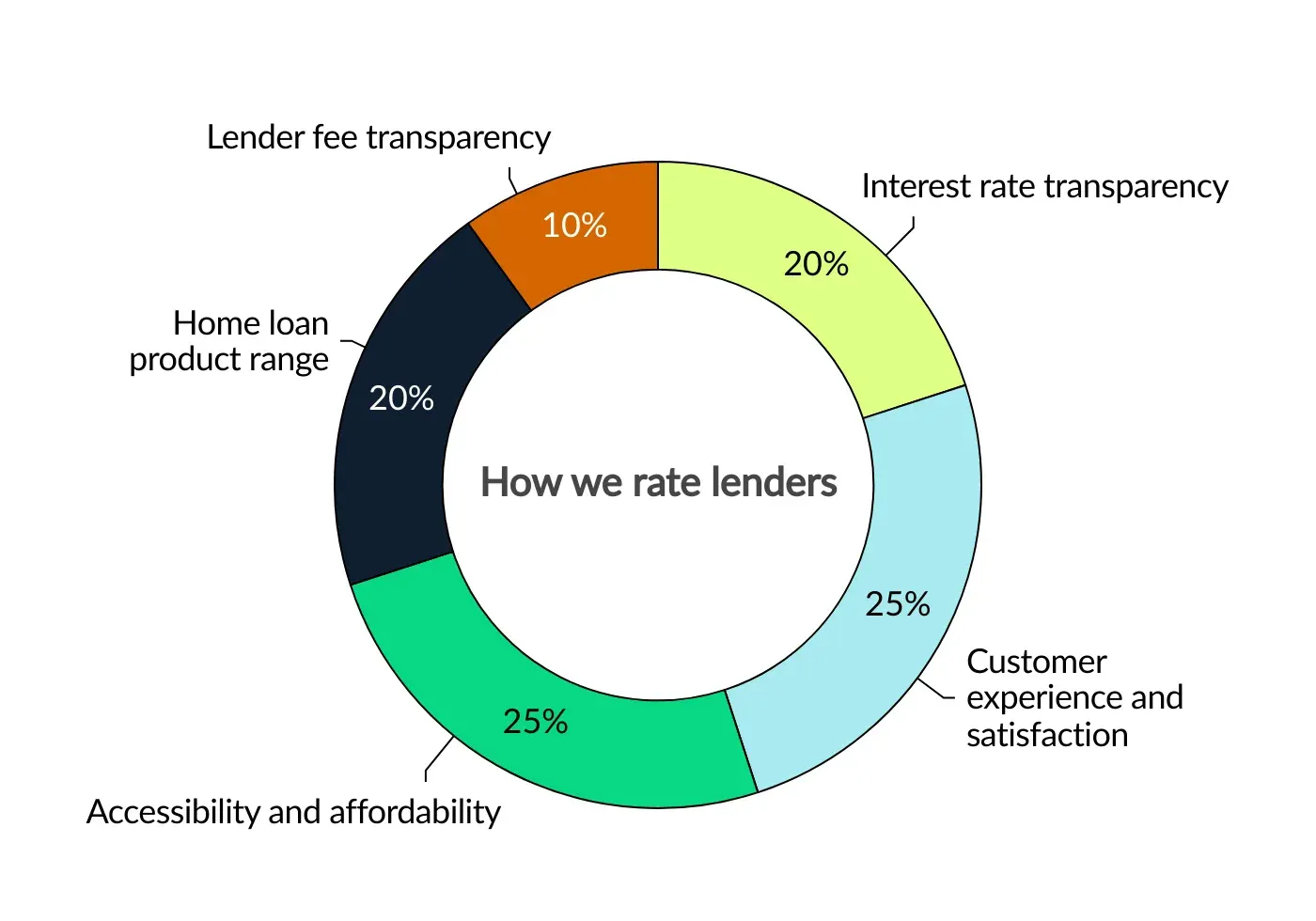
LendingTree evaluates and scores mortgage lenders using a five-star system based on cost, accessibility, requirement flexibility, customer experience, and transparency of rates and fees. This methodology applies equally to partner and non-partner lenders, ensuring unbiased ratings. The scoring criteria include factors like geographic footprint, loan-to-value ratios, customer service options, product range, and the clarity of interest rates and origination fees, with data often sourced from lenders' websites and HMDA data.
LendingTree, Inc. (NASDAQ: TREE) announced it will release its fiscal third quarter 2026 results after market close on Tuesday, November 3, 2026. The company will also host an earnings conference call at 4:30 p.m. ET to discuss the results, which will be webcast live on its investor relations website. LendingTree, a leading online financial services marketplace, provides consumers access to various financial products from over 770 partners.
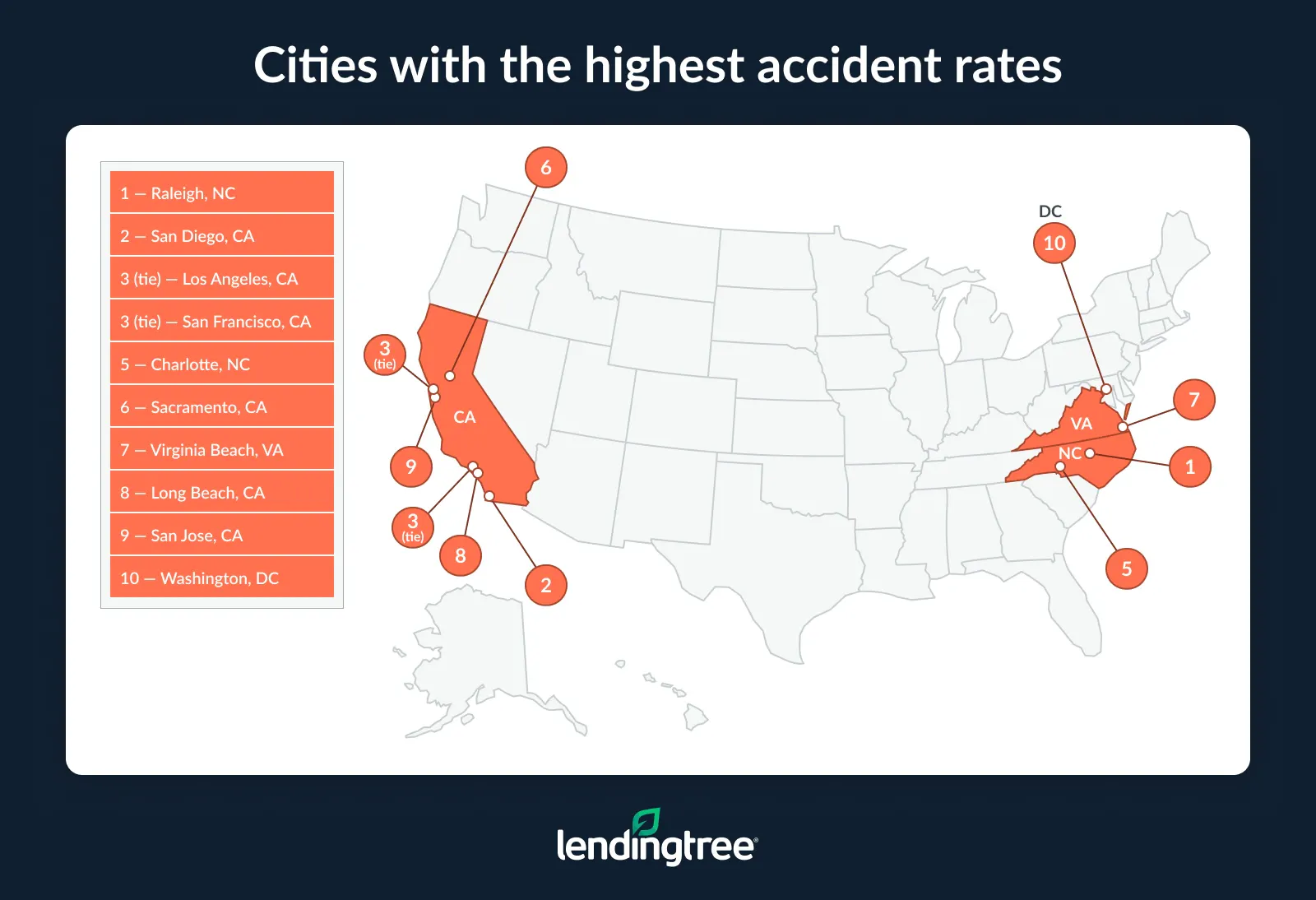
A LendingTree analysis of insurance quote data reveals that Raleigh, N.C., has the highest accident rate among major U.S. cities, with 29.1 accidents per 1,000 drivers. California cities also dominate the top 10 list for accident rates, while Gen Z drivers exhibit the highest accident rates by generation. The study also identifies Ram, Tesla, and Subaru as vehicle makes with the most accidents and highlights Memphis, Tenn., for the highest fatal crash rate.