

Tyson Foods, Inc. (TSN) is one of the world's largest producers and distributors of chicken, beef, pork and other food products for both retail and food service customers. Founded in 1935 by John W. Tyson, the company has grown from a small chicken coop in Arkansas into a multinational corporation that is listed on the New York Stock Exchange and included in the Fortune 100.
Headquartered in Springdale, Arkansas, Tyson Foods owns major brands such as Tyson®, Jimmy Dean®, Hillshire Farm®, Ball Park®, Sara Lee® and more. The company's operations are split into four segments namely, Beef, Pork, Poultry, and Prepared Foods. Products from Tyson Foods' portfolio include a wide range of fresh meats, processed foods, and frozen or refrigerated goods. They supply restaurants, grocery stores, and other retail outlets, catering to the diverse dietary preferences of millions of consumers globally.
Tyson Foods operates approximately 100 food processing plants in the United States, and has over 20 international facilities in countries like China, India, and the United Kingdom. The company sources raw materials, such as live cattle and hogs for its beef and pork segments, from independent producers and farmer cooperatives. Apart from animal agriculture, the company has also expanded into plant-based proteins with products such as Raised & Rooted™.
Sustainability has been a significant focus for Tyson Foods throughout its operation. The company has implemented multiple initiatives aimed at reducing, recycling, and reusing potential waste. In recent years, Tyson has also worked on reducing its environmental footprint by using cleaner energy sources and improving its processing techniques to save water and energy.
On the corporate front, Tyson Foods has weathered numerous industry fluctuations and continued to grow its revenue and profitability. This success has been possible through a combination of strategic acquisitions, diversified product offerings, and an unwavering commitment to quality and safety. Nevertheless, like many other companies in the industry, Tyson Foods has faced challenges related to environmental concerns, animal welfare controversy, and labor relations.
Internally, Tyson Foods values its workforce of approximately 139,000 team members worldwide, providing opportunities for growth and skills development. Through their Tyson Foods Foundation, the company aims to improve the communities in which their team members live and work by providing grants in areas such as hunger relief, education, and community development.
As Tyson Foods continues to expand and adapt, the company remains committed to its founding principles of hard work, innovation, and integrity. Whether it's supplying meat for a local barbecue or providing plant-based alternatives, Tyson Foods plays a vital role in feeding people around the world.
Income statement
Balance sheet statement
Cash flow statement
Current assets / Current liabilities
Equity / Debt / Cash
Dividends
D.A. Davidson & CO. increased its stake in Walmart Inc. by 16.9% in the third quarter, adding 73,121 shares to its holdings, now valued at approximately $52.5 million. Institutional investors collectively own 26.76% of Walmart, while company insiders have sold over 102,000 shares worth $11.1 million in the last 90 days. Analysts generally maintain a "Buy" rating for Walmart, with an average price target of $132.41, as the company reported strong quarterly revenue growth and earnings that exceeded expectations.
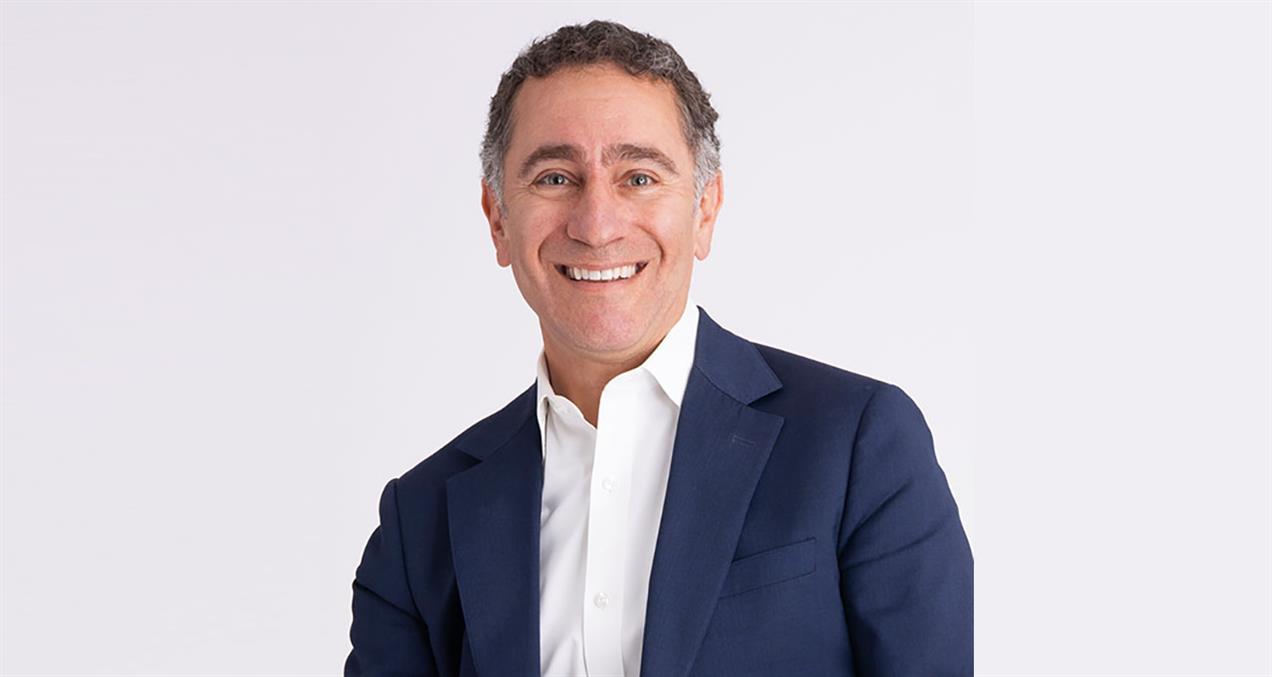
Eric Schwartz, CMO of The Clorox Company, discusses how legacy CPG brands can adopt the agility and speed of startups. He highlights the need to dismantle corporate red tape, adapt to inflationary pressures, and pivot in real-time using tools like AI, moving away from the "test until you're sure" approach. Schwartz emphasizes the importance of understanding consumers and fostering a culture of agility within marketing teams, drawing on his experience as a GM and his background in education.

Smithfield Foods (NASDAQ:SFD) reported a significant drop in fiscal third-quarter operating profit to $127 million from $310 million a year prior, with sales declining 8.3% to $3.4 billion. While Packaged Meats profit increased, Fresh Pork recorded an $89 million operating loss. The company expects fiscal 2026 adjusted operating profit of $900 million–$1 billion and completed its acquisition of Nathan’s Famous.

Cal-Maine Foods has experienced a 5% annual sales decline and a significant 54.9% annual drop in earnings per share over the past three years, coupled with rising capital intensity and weaker free cash flow margins. This performance suggests pressure on their vertically integrated model from both consumer demand and cost trends. The article explores how these factors may reshape the long-term investment narrative for the egg producer, with analysts modeling earnings expansion but acknowledging execution challenges.
Kraft Heinz (KHC) is considered 32% undervalued by many investors, with a fair value pegged near $35.00 against its current price of $23.68, despite recent leadership changes and mixed stock performance. The company maintains strong cash flow and dividends, yet faces execution risks on brand investment and has experienced softer long-term share returns. Investors are urged to review data themselves due to mixed sentiment.

This article compares Tyson Foods (TSN) and JM Smucker (SJM), noting that while both sell grocery brands, Smucker's stock has outperformed Tyson's recently. Smucker has raised its earnings outlook for fiscal 2027, partly due to tariff refunds, while Tyson has lowered its forecast for its beef business due to cattle availability. Although Tyson appears cheaper based on P/E and has less debt relative to market value, Smucker leads in operating margin and sales growth, making it a potentially more attractive investment despite its higher debt-to-market-value ratio and P/E.
This article compares Tyson Foods (TSN) and JM Smucker (SJM), two companies in the grocery brands sector. It highlights that Smucker has a more positive outlook, having raised its fiscal 2027 forecast, while Tyson lowered its own due to beef business losses. Although Tyson appears cheaper based on P/E, Smucker leads in margin and sales growth, making it a potentially more attractive investment despite its higher debt against market value.