

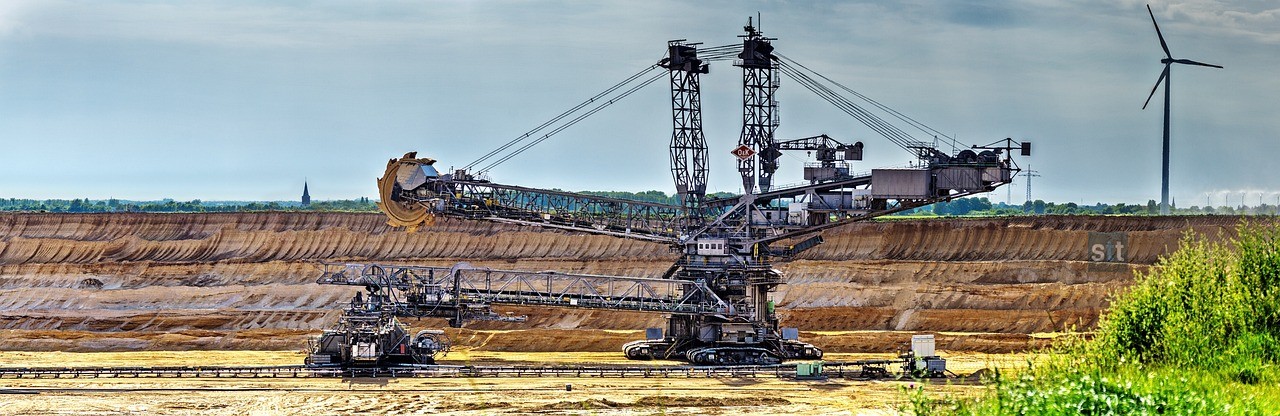
Vale S.A., commonly referenced as VALE, is a global leader in the mining industry. The Brazilian multinational corporation is one of the world's largest producers of iron ore and nickel. Established in 1942 as Companhia Vale do Rio Doce (CVRD), the company has since evolved and expanded considerably, harnessing operations, research, and development on nearly every continent.
Vale S.A. is the world's largest producer of nickel, a metal used extensively in a variety of products like stainless steel, coins, batteries, and even electric vehicles. The company's iron ore extraction operations are mainly carried out in Brazil in the states of Minas Gerais and Pará. Meanwhile, its nickel production spans from Canada to New Caledonia in the Pacific.
In addition to iron and nickel, Vale also produces copper, coal, manganese, ferroalloys, fertilizers, cobalt, platinum, and precious metals. The company’s product portfolio has expanded to encompass renewable energy generation, logistics services, and steel manufacture.
Vale’s operational footprint extends into 30 countries across the globe. Its extensive logistics system includes railroads, maritime terminals, and ports which combine to deliver its output to clients worldwide. Vale's corporate structure consists of various subsidiaries that oversee different areas of its portfolio, one of which is Vale Canada, the hub of the company's nickel mining and smelting operations.
While noted for its scale and efficiency, Vale has often faced scrutiny and criticism over its environmental and safety practices. The company's operations, particularly in the mining and dam management sectors, have been linked to several disasters, such as the Mariana and Brumadinho dam collapses in Brazil, which had significant human and environmental impacts.
As a public company listed on the B3 exchange in São Paulo, the New York Stock Exchange, and Euronext Paris, Vale's financial performance ultimately affects millions of stakeholders, including investors, employees, and the communities where it operates. Although its stock value has experienced ups and downs due to various challenges and market fluctuations, Vale remains an influential player in the international commodity market.
At its core, Vale S.A. is a global mining behemoth, driving economies and shaping industries through its products. How well it balances the demands of global resource extraction, environmental stewardship, and corporate social responsibility will be defining factors for its future.
Income statement
Balance sheet statement
Cash flow statement
Current assets / Current liabilities
Equity / Debt / Cash
Dividends
VALE S.A. stock slipped over 4% due to concerns about iron ore demand and commodity prices, leading major banks like Deutsche Bank, UBS, and Morgan Stanley to cut their price targets and maintain neutral ratings. Despite solid fundamentals, including strong revenue and profitability, Wall Street's revised expectations suggest a challenging period for the commodity giant, characterized by grinding, choppy trading rather than sharp movements. Traders are advised to focus on tight risk control and short-term levels, reacting to price action and analyst cuts as context.
Vale S.A. (VALE) shares dropped 3.5% due to ongoing weakness in iron ore sentiment, driven by soft Chinese steel demand, high port inventories, and ample supply. The decline also reflects investor caution ahead of Vale's third-quarter results release on October 29, 2026, which follows several recent target-price cuts by analysts.

Vale S.A. (NYSE: VALE) stock fell nearly 4% in premarket trading on Monday after Brazilian President Luiz Inácio Lula da Silva secured another term, defeating Sen. Flávio Bolsonaro, surprising investors who had expected a Bolsonaro victory and his business-friendly reforms. The election outcome deepened the political rift between Latin America’s largest economy and U.S. President Donald Trump, leading to investors unwinding positions tied to a Bolsonaro win. This political uncertainty adds pressure to Vale's already weak technical outlook, with shares trading below major simple moving averages and facing bearish signals ahead of its Q3 earnings report on October 29.

Vale SA (VALE) shares recently declined by 3.9% to $12.20. Despite this, GuruFocus assesses the stock as undervalued by 5.8%, with a GF Value of $12.95 and an above-average GF Score of 75/100, primarily due to strong profitability. However, its current P/E ratio is significantly higher than its historical median, and mixed signals from gurus, coupled with weak growth potential, suggest both opportunities and risks for investors.

Vale S.A. (NYSE:VALE) saw its stock climb after releasing its third-quarter production and sales report, which highlighted strong iron ore shipments and growing volumes of copper and nickel. The report also included updated cost estimates, with a focus on firmer iron ore costs and efforts to reduce expenses in the base metals unit. This performance positions Vale as a key player in both the global steel cycle and the energy transition, drawing significant market attention.
UBS has adjusted its price target for Vale S.A (VALE) to $14.50, down from $15, while maintaining a Neutral rating on the stock. According to analysts, Vale currently holds an average "overweight" rating with a mean price target of $16.42. The full MT Newswires article requires a premium subscription to read.
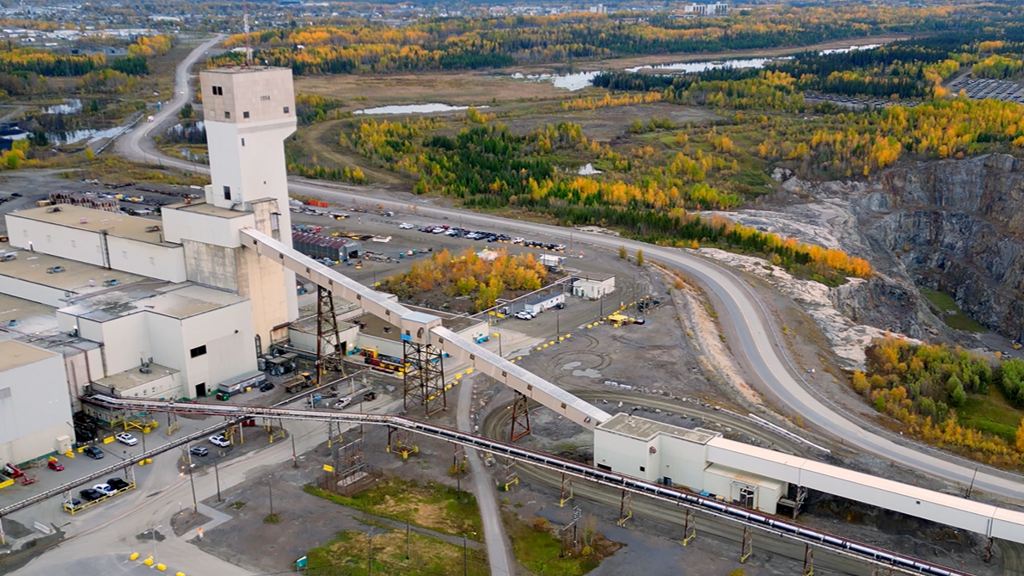
Vale Base Metals (VBM) has finalized the transfer of its Thompson Mine Complex in Manitoba to a Canadian-led consortium, Exiro Nickel Company, securing up to US$200 million in new investment. The consortium, comprising Exiro Minerals, Orion Resource Partners, and Canada Growth Fund, now holds an 81.1% stake, with VBM retaining 18.9%. This move aims to bolster the Thompson mine's long-term operations, increase production, and strengthen Canada's critical minerals supply chain.