

American Electric Power Co Inc, also known as AEP, is one of the leading providers of electricity and energy infrastructure in the United States. The company was established in 1906 and has since grown into a vast network supplying over 5 million consumers in 11 states. Based in Columbus, Ohio, AEP is publicly traded on the NASDAQ with the ticker symbol “AEP”.
AEP showcases a diverse generation portfolio, which comprises coal, natural gas, nuclear, solar, wind, and hydro energies. Its generating capacity is over 32,000 megawatts, making it one of the nation’s largest generators of electricity. AEP also owns the nation's largest transmission network ― a nearly 40,000-mile network, including more than 765-kilovolt high-voltage transmission lines, which is more than all other US transmission systems combined.
One of AEP’s primary focuses is delivering reliable and affordable electricity to its customers. On top of the provision of electric service, it also invests in the development and construction of new power plants, the upgrade of existing facilities, and the preservation of the environment.
Over the years, the organization has built a solid reputation for its corporate responsibility and sustainability efforts. AEP is strongly committed to creating a cleaner, smarter energy system and has made significant strides in reducing emissions, improving energy efficiency, and developing renewable sources of energy. The company published its first corporate sustainability report in 2005 and has since updated it annually, demonstrating AEP's commitment to responsible and sustainable business practices.
AEP employs an outstanding workforce of about 17,000 people, whose efforts, innovation, and dedication form the foundation of the company’s success. Internally, the company fosters a culture of diversity, inclusion, and safety, and attributes much of its success to the talented and dedicated team members.
As a significant player in the electric utility industry, AEP continually works to advance technology, to improve its service reach and efficiency. It invests heavily in new technologies, including smart meters and grid modernization, demonstrating a continual commitment to innovation.
American Electric Power Co Inc is a significant contributor to the energy landscape in the United States. Through its extensive network, commitment to sustainability, and investment in innovative technologies, AEP continues to shape the future of American energy delivery systems.
Income statement
Balance sheet statement
Cash flow statement
Current assets / Current liabilities
Equity / Debt / Cash
Dividends
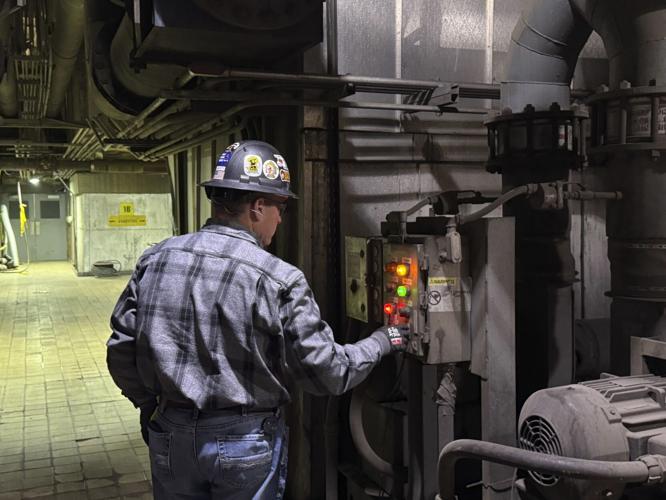
The Tennessee Valley Authority (TVA) reported multiple record highs for power demand and system reliability during an "historic" September heat dome. The TVA power system delivered over 30,000 megawatts of electricity on 17 separate days in September, with a peak of 33,270 MW on September 3, enough to power over 19.2 million homes. These achievements were attributed to TVA's diverse generation portfolio and the efforts of its employees and local power providers.

Argus released an analyst report on Consolidated Edison, Inc. (ED) on September 23, 2026, indicating solid adjusted earnings growth in the second half of 2026. The report highlights that Con Edison, following the sale of its Clean Energy Businesses, now operates as a pure-play regulated utility serving millions of customers in New York. The current price for ED is $102.71, with the full price target available in the detailed report.

American Electric Power Company (AEP) is a large regulated utility in the US, serving over 5 million customers across 11 states. The company's capacity is composed of 39% coal and a mix of other natural sources. Its growth is dependent on strong management and support from stakeholders.

The Tennessee Valley Authority (TVA) achieved multiple records in September for power demand and system reliability, delivering over 30,000 megawatts of electricity on 17 separate days. This included an all-time fall/spring peak demand of 33,270 megawatts on September 3. TVA is also preparing for future demand, projecting a need for 11 to 32 gigawatts of additional generation capacity by 2040 and having 4,120 megawatts currently under construction.

AEP Ohio is rebranding to Ohio Power Company and will introduce a new bill design on October 1st to enhance transparency for its 1.5 million customers. The new bills will clearly detail charges, electricity suppliers, and costs related to distribution, transmission, and generation, as approved by the Public Utilities Commission of Ohio. This change emphasizes the company's commitment to delivering electricity and serving Ohio communities, with no impact on customer service, rates, or account access.
The article highlights four regulated electric utility stocks—Southern Company (SO), American Electric Power (AEP), Duke Energy (DUK), and Xcel Energy (XEL)—as reliable dividend payers with significant growth potential driven by the surge in data center electricity demand. These companies are securing large, long-term contracts with hyperscalers like OpenAI and Google, feeding into their rate bases and supporting consistent dividend growth. While each company offers unique benefits and risks, they are all positioned to benefit from increased electricity consumption by data centers, making them attractive for income-focused investors.
Public Service Enterprise Group (PSEG) is moving forward with utility growth and considering new power projects. The company operates a regulated utility, PSE&G, and PSEG Power, which holds ownership in nuclear plants and clean energy initiatives. PSE&G delivers gas and electricity services to 4.3 million customers in New Jersey.

American Electric Power (AEP) is currently under investor scrutiny due to its transmission spending and load growth. The article suggests that while this attention is timely, the investment case remains unsettled, with traders questioning whether it signals a durable change or a short-term reaction. Investors are urged to focus on observable business outcomes and concrete execution, rather than just market themes, when evaluating AEP's future performance.