

Eversource Energy, prominently known as ES, is a publicly-traded utility company based in Hartford and Boston. The company was established in 1966 as Northeast Utilities and changed its name to Eversource Energy in 2015. As of now, it stands as one of the largest energy suppliers in New England, serving more than 4 million customers across Connecticut, Massachusetts, and New Hampshire.
Eversource Energy provides both electricity and gas, making it a diversified utility provider. Moreover, the company invests heavily in green, sustainable energy - a commendable undertaking in the modern era where sustainable energy sources are vital. The company's dedication to environmental consciousness includes providing energy efficiency solutions and tactics for its customers.
ES operates through three main segments: Electric Distribution, Electric Transmission, and Natural Gas Distribution. The Electric Distribution segment generates revenue through the distribution of electricity to retail customers. At the same time, the Electric Transmission segment earns income through the ownership of high voltage transmission facilities and the Natural Gas Distribution segment profits from the distribution of natural gas.
Staying true to its commitment towards a cleaner and sustainable environment, Eversource has an ambitious plan to be carbon neutral by the year 2030. A remarkable aspect about the company is its continual robust financial performance. As a regulated utility, Eversource has predictable and consistent revenue streams. Its commitment to providing a reliable dividend makes it a favorable choice for investors looking for regular income.
In terms of corporate social responsibility, Eversource seems to take it quite seriously. The company continually contributes to community causes and charities, boosting the local economy and increasing their goodwill in the community. The company also takes a customer-focused approach by continually improving customer service and keeping rates competitive.
In conclusion, Eversource Energy not only plays a crucial part in the energy sector as a major provider but also carves an example with its efforts in pursuing renewable energy and community involvement. Its focus on providing a consistent dividend makes it ideal for income-focused investors, while its sustainability efforts make it appealing to socially responsible investors. As a company, Eversource Energy remains committed to powering the future through sustainable and clean energy sources.
Income statement
Balance sheet statement
Cash flow statement
Current assets / Current liabilities
Equity / Debt / Cash
Dividends
Eversource Energy (ES) has seen its share price drop by 10% in the last month, raising questions about its valuation and income appeal. While a common narrative suggests the stock is 14% undervalued with a fair value of $74.08, an SWS DCF model indicates it might be trading at a premium. Investors are encouraged to consider both perspectives and associated risks before making decisions.

Eversource has installed its 500,000th smart meter in Massachusetts, marking a significant milestone in its statewide rollout. This initiative aims to provide customers with greater visibility into their energy use through online tools and a mobile app, helping them manage consumption and receive high-bill alerts. The company expects to complete the statewide rollout by the end of 2027, enhancing grid responsiveness and outage detection.

This article compares Duke Energy (DUK) and Southern Company (SO) as investments for retirement-focused portfolios, highlighting Duke Energy as the stronger choice. Duke offers a higher yield, better dividend coverage, and a more robust capital plan, despite both companies benefiting from data center growth. Southern Company faces cash drag issues from wind repowering charges and disallowances, which could impact its dividend through 2027.

Massachusetts Energy Secretary Rebecca L. Tepper requested Eversource justify the need for a 5.3-mile gas pipeline in Springfield three years ago, but the company has yet to provide the necessary supplemental report. The project remains stalled in the approval process as Eversource continues to work on the required environmental impact report, now expected by the end of 2026. This delay highlights ongoing challenges and scrutiny for new gas infrastructure projects in the state.
Eversource Energy (ES) recently secured the TIDE project, expanding its regional grid capacity and supporting onshore wind integration in New England. While one narrative suggests the stock is 7% undervalued with a fair value of $74.08 due to expected load growth and infrastructure investments, a Discounted Cash Flow (DCF) model indicates it might be overvalued at its current price of $68.99, estimating fair value at $58.79. The article highlights that investors are weighing new transmission opportunities against lingering issues like Aquarion-related charges and offshore wind liabilities.
Eversource's Transmission Initiative Down East (TIDE) project has been selected by ISO New England as the preferred long-term transmission solution for regional energy needs. This project aims to enhance reliability, integrate new energy supplies in northern New England, reduce transmission congestion, and improve energy affordability. Expected benefits include significant savings in production costs, congestion, and avoided capital investment, with construction anticipated to begin in 2029 following regulatory approvals.

Eversource's proposed 5.3-mile gas pipeline project between Longmeadow and Springfield remains in regulatory limbo three years after the state required the company to provide further justification for its necessity. The company, which initially aimed to file a supplemental environmental report by the end of 2025, now estimates submission by the end of 2026. The project faces opposition from climate activists and local officials due to concerns about environmental justice, asthma rates, and increasing costs, which are ultimately borne by ratepayers.
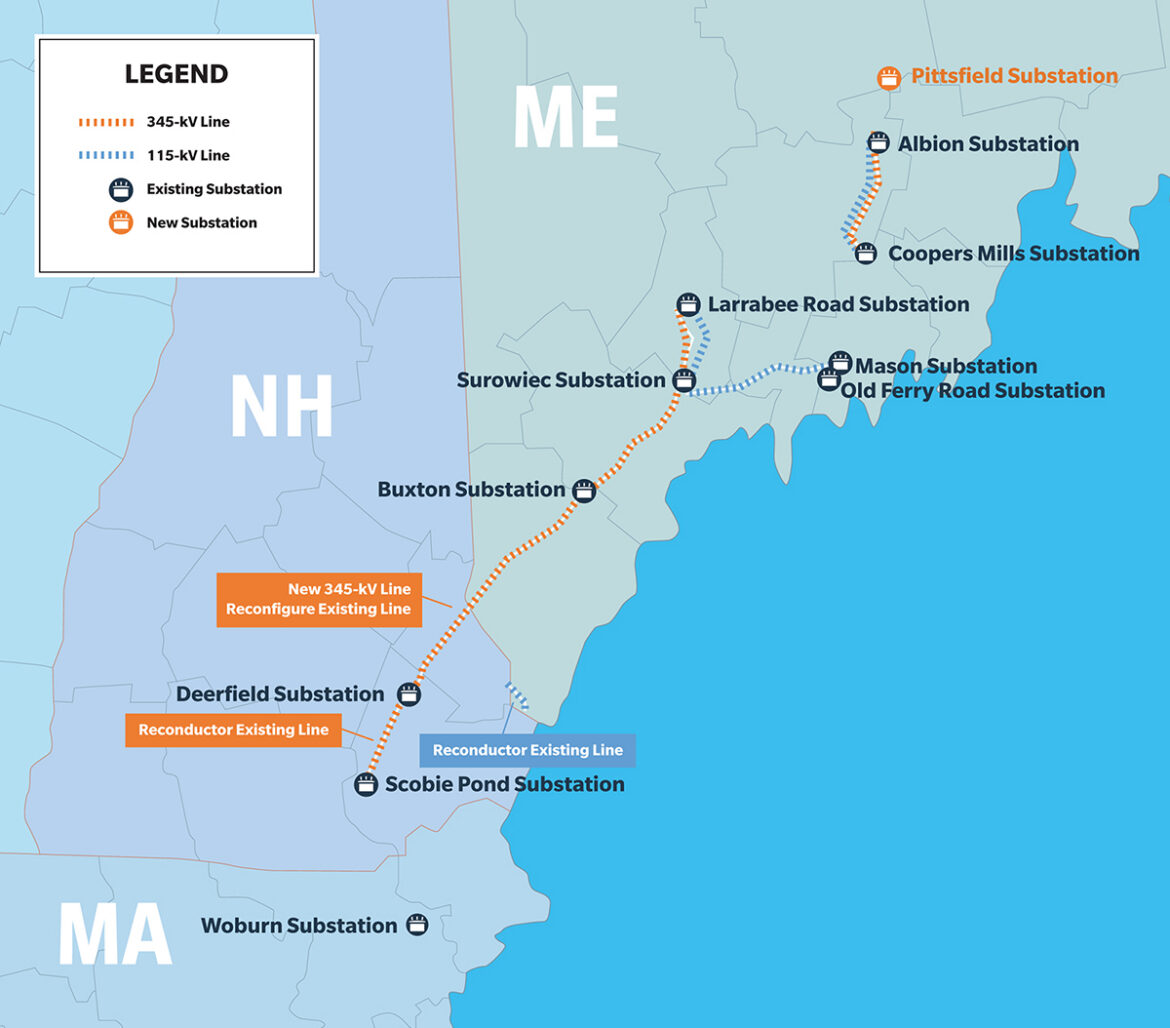
ISO New England has selected the joint Transmission Initiative Down East (TIDE) project by Eversource and Avangrid as the preferred solution to meet regional power demands, allowing for 1,200 megawatts of future onshore wind generation. This project aims to enhance reliability, ease congestion, and address affordability by upgrading existing infrastructure in New Hampshire, Maine, and Massachusetts. Although selected, the project still requires extensive permitting and regulatory reviews, with construction projected to start in 2029.
Eversource Energy (ES) stock has underperformed the Dow Jones Industrial Average and its rival Entergy Corporation (ETR) over the past year. The company's stock has declined due to lower-than-expected Q2 2026 earnings, which were impacted by the Aquarion Water sale and increased offshore wind contingent liability, as well as a FERC decision reducing transmission profitability. Analysts currently rate ES stock as a "Hold" with a modest price target premium.