

Founded in 1889, Portland General Electric Company (POR), also known as PGE, is a Fortune 1000 public company and is associated with a significant segment of Oregon's economy. It is the largest electricity provider in the state of Oregon and is based in the city of Portland. It is responsible for generating, purchasing, transmitting, distributing, and selling electricity in the state.
The company generates power through coal, natural gas, wind, hydroelectric, solar, and other renewable sources, providing a diversified energy mix to its customers. At present, Portland General Electric serves over 900,000 customers across 51 cities, covering a service area of 4,000 square miles, including residential, commercial, and industrial customers.
Portland General Electric Co /OR/ is publicly traded on the New York Stock Exchange under the ticker symbol "POR". The company is committed to a clean energy future and has a reputation for its transparent, ethical business practices.
One of the noteworthy aspects about PGE is its dedication in adopting sustainable practices. The company has demonstrated a strong commitment to renewable energy resources and has made significant investments in wind, solar, and hydroelectric power. It is among the top wind energy producers in the United States.
In addition to supplying electricity, PGE also plays an essential role in the community. The company runs several programs aimed at energy conservation, environmental protection and providing assistance to low-income customers. It supports educational institutions, offers scholarships, and funds community programs.
In terms of customer satisfaction, Portland General Electric consistently ranks high. The company prides itself on its customer service, offering 24/7 support, and a variety of payment options to cater to customer needs. Customers can also avail of various energy-saving tips and resources provided by the company to help them reduce their energy costs.
PGE's growth strategy includes continued investments in regulated electric infrastructure projects, renewable resources, and productive, cost-effective customer-related services. As part of its commitment to a sustainable future, the company has laid out a plan to reduce greenhouse gas emissions associated with its operations.
Portland General Electric maintains a proactive posture toward technological innovations, adopting energy-efficient technologies, smart grid systems, and other advancements to ensure they stay at the forefront of the ever-evolving energy market. In summary, through reliable electricity provisions, sustainable practices, and commitment to the community, Portland General Electric plays a pivotal role in powering Oregon.
Income statement
Balance sheet statement
Cash flow statement
Current assets / Current liabilities
Equity / Debt / Cash
Dividends

PacifiCorp, an Oregon electric utility, has saved $16 million in the first five months of its participation in the Extended Day-Ahead Market (EDAM), which launched in May. Portland General Electric also joined EDAM in October. Proponents of EDAM highlight its role in coordinating the grid for Western utilities.

Portland General Electric (PGE) reported lower third-quarter 2026 earnings per share guidance due to weaker summer demand, despite a slight revenue increase. The utility also announced plans for $1.75 billion in solar and storage projects and higher expected capacity growth from large customers, indicating increased capital needs amidst current profit pressures. This shift prompts investors to re-evaluate the company's long-term growth narrative, which has traditionally relied on load growth from data centers and industrial users, while facing near-term sensitivities to weather and power costs.
Portland General Electric (PGE) has begun providing scheduling coordinator services for Bonneville Power Administration under an Extended Day Ahead Market (EDAM) agreement, effective October 1, 2026. The initial year of these services will not incur charges, allowing PGE to focus on building operational relationships. This new role integrates PGE more deeply into regional market operations and introduces additional regulatory and operational risks, but analysts still project significant revenue and earnings growth by 2029.
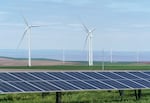
Portland General Electric (PGE) needs to nearly double its renewable energy portfolio to meet Oregon's 2030 climate benchmark, aiming for 80% emission reductions below 2010-2012 levels. The company faces challenges including federal policy rollbacks, transmission constraints, rising development costs, and increased demand, leading it to ask state regulators for flexibility. PGE has presented two plans: one that meets the climate goals but may raise rates, and another that prioritizes affordability but falls short of the state's targets, highlighting the difficulty in balancing climate mandates with grid reliability and customer costs.
Portland General Electric (POR) has announced a significant clean energy buildout through 2032, leading to a recent dip in its share price despite long-term shareholder returns. The company is currently trading at a discount to analyst targets and intrinsic value estimates, with strong demand from industrial and data center customers driving growth. Investors are weighing the long-term potential of clean energy earnings against immediate regulatory risks and project reshuffling.
Portland General Electric (PGE) has submitted its 2026 Clean Energy Plan and Integrated Resource Plan to Oregon regulators. The plan outlines strategies to achieve state greenhouse gas emission reduction goals by adding 3.4 GW to 6.7 GW of clean energy by 2030, while balancing customer costs and system reliability. PGE emphasizes the need for flexibility due to external factors like competition and regulatory environments, and anticipates the approval process will extend into the second quarter of 2027.